
Why Are My Cannabis Leaves Curling? Common Causes and Remedies
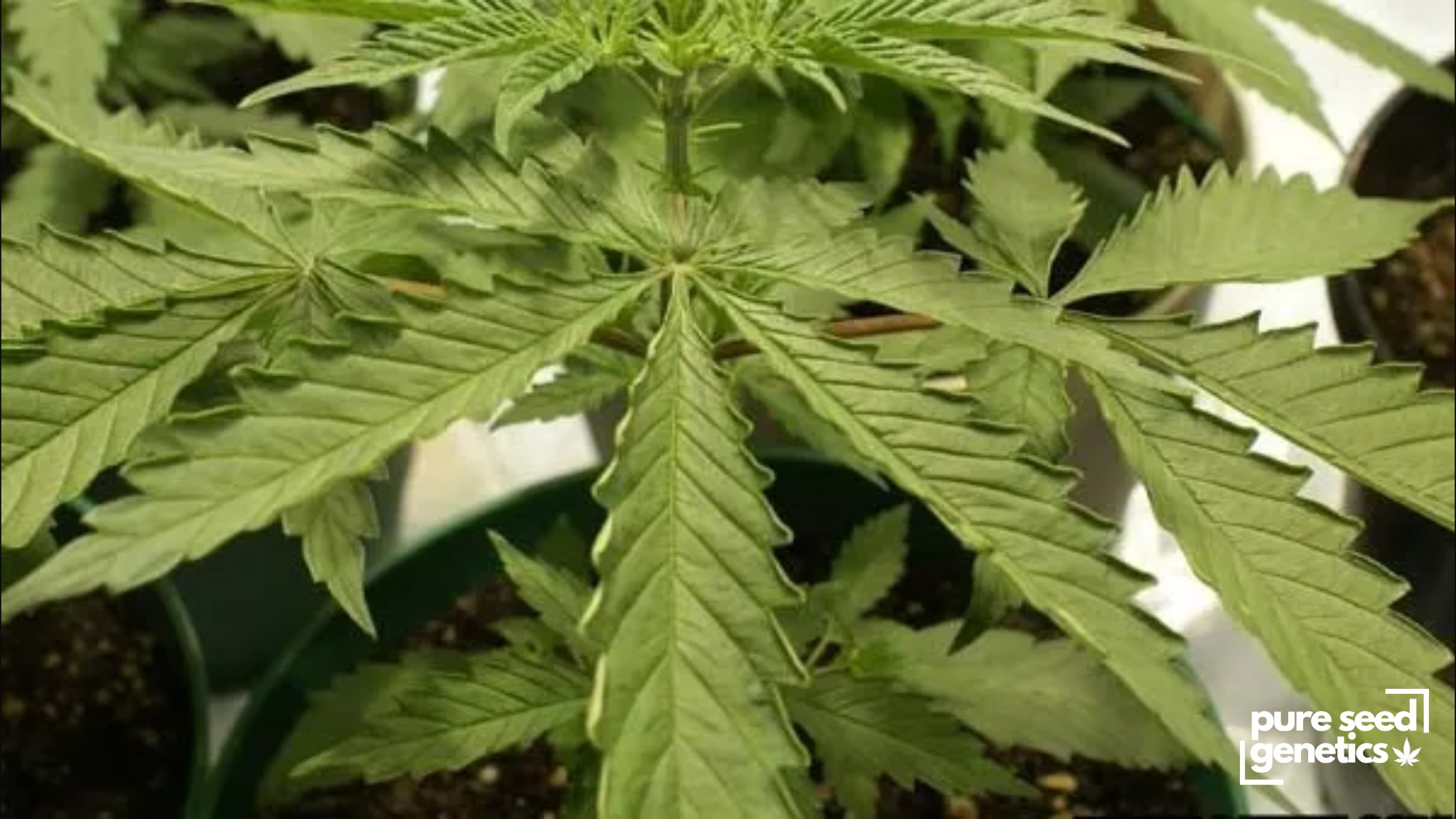
Table of Contents
There are several factors that could cause cannabis leaves to curl in your grow operation. This guide will explore the potential causes of this issue and offer advice on how to prevent it from affecting your final harvest.
If you’ve ever stepped into your grow space and found your cannabis leaves curling like crispy bacon, you’re not alone. Leaf curl is one of the most common and frustrating issues growers face, whether you’re a seasoned pro or a newbie. But here’s the kicker: leaf curling isn’t just a superficial problem. It’s a clear distress signal from your plant. Curling leaves are often a sign that something is wrong with the growing environment or care routine, and addressing it early can save your crop from more serious issues.
In this guide, we’re going to dive deep into the various reasons your cannabis leaves might be curling, what each cause means, and most importantly how you can fix the issue before it ruins your harvest. Whether it’s environmental stress, nutrient imbalances, or pests, we’ve got you covered with practical, easy-to-implement remedies.
Pure Seed Genetics – Cannabis Seeds
-
Northern Lights
Price range: $39.00 through $180.00 -
Blue Haze
Price range: $39.00 through $180.00 -
CBD Blueberry
Price range: $39.00 through $180.00 -
Zkittlez Feminized
Price range: $39.00 through $180.00
Understanding Cannabis Leaf Curling
What Is Leaf Curling in Cannabis?
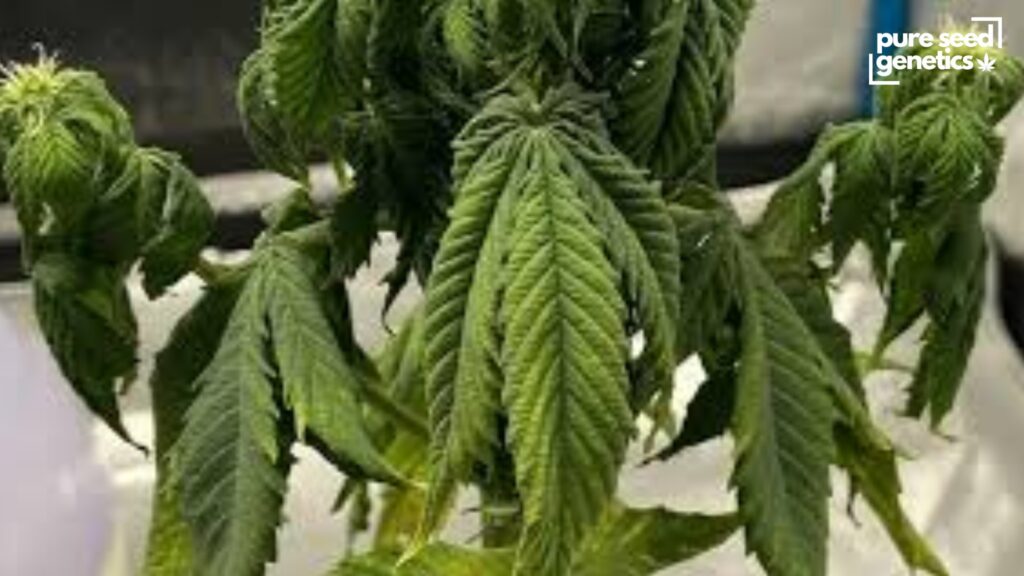
Leaf curling, or epinasty, occurs when the edges or tips of the leaves start to curl either upward or downward. The appearance of curled leaves varies depending on the cause, but one thing is always certain: it’s not normal, and it’s often a sign that something’s off.
There are many different reasons why cannabis leaves may curl, ranging from overwatering and temperature fluctuations to nutrient imbalances and pest infestations. The first step in correcting the problem is identifying the root cause. Let’s break it down.
Signs Your Cannabis Plant Is Curling
Cannabis plants are notorious for communicating their distress, but sometimes it’s easy to miss the subtle signs until they become more serious. One of the most common, and most telling, signs that something is wrong with your plant is leaf curling. If you’ve noticed your cannabis leaves starting to curl in unusual ways, it’s a definite red flag that needs attention.
In this section, we’ll break down the various ways that cannabis leaves can curl and what each specific symptom might indicate. Identifying these signs early on is key to preventing more severe damage to your plant. Let’s take a closer look at the most common curling patterns and what they could mean for your plants.
1. Leaves Curling Downward Like Claws (Canoeing or Clawing)
One of the most common symptoms of cannabis distress is when the leaves curl downward, often resembling the shape of a claw. This condition is often referred to as “canoeing” or “clawing,” and it’s usually a sign that your plant is under some form of environmental or stress-related pressure.
Causes of Downward Curling:
- Overwatering: When your cannabis plant’s roots are waterlogged, they can’t absorb oxygen properly. The plant compensates by curling its leaves downward to try to conserve energy and protect itself. The downward curling also helps to reduce transpiration (the process where the plant loses water through its leaves).
- Nutrient Toxicity (Nutrient Burn): An excess of nitrogen or other nutrients can overwhelm the plant’s system, causing leaves to curl downwards. Nutrient burn often appears in the form of curling, yellowing, and burnt leaf tips.
- Heat Stress: If the temperatures in your grow space exceed 85°F (29°C), the plant may react by curling its leaves downward in a defensive measure, attempting to limit its exposure to the intense light and heat. The leaves may appear more turgid and less flexible in this scenario.
- Poor Drainage: If your growing medium doesn’t drain well, water can build up at the base of the plant, suffocating the roots and leading to similar symptoms of overwatering.
How to Fix It:
- Ensure Proper Drainage: Make sure that your pots or grow containers have adequate drainage holes to allow excess water to escape.
- Watering Schedule: Adjust your watering routine by allowing the soil to dry out between waterings. Invest in a moisture meter to gauge when the plant truly needs water.
- Optimize Temperature: Keep your grow space between 65-80°F (18-27°C). Use fans, AC units, or heaters to stabilize temperature fluctuations.
- Reduce Fertilizer: If you suspect nutrient burn, flush your plants with clean water to clear out excess nutrients from the soil. Use a balanced fertilizer and avoid overfeeding.
2. Tips Bending Upwards or Sideways (Tip Curling)
Another sign of stress is when the tips of your cannabis leaves curl upwards or sideways. This curling pattern typically indicates that the plant is struggling to process its environment, and it may be a response to overexposure to light, nutrient imbalances, or an improper pH level in the growing medium.
Causes of Upward or Sideways Curling:
- Light Stress: If your plant is too close to the light source or exposed to lights that are too intense, the leaves will try to protect themselves by curling upwards. The plant can’t take in enough water and nutrients due to the excessive light stress, which often leads to curling and discoloration.
- Nutrient Deficiency: When plants are lacking specific nutrients like potassium or magnesium, they may exhibit upward curling. A lack of potassium, for example, can cause the edges of leaves to curl upwards as the plant struggles to maintain its water balance.
- High Environmental Temperatures: Excessive heat can cause the tips of leaves to curl upward as a way for the plant to reduce its surface area and minimize transpiration.
- pH Imbalance: Cannabis plants have a specific pH range they thrive in (typically between 6.0 and 7.0 for soil, and 5.5 to 6.5 for hydroponics). If your pH is out of whack, the plant may have trouble absorbing essential nutrients, which can lead to tip curling.
How to Fix It:
- Adjust Light Distance: Ensure that your light is set at the correct height from your plants. For most LED or HID lights, keep them about 12-24 inches above the plant canopy. If you’re growing in high-intensity setups, consider using a dimmer or lowering light intensity.
- Check Nutrient Levels: Consider using a balanced, cannabis-specific nutrient mix to ensure your plants get the right ratio of macronutrients and micronutrients. If you suspect a potassium or magnesium deficiency, amend your soil with a potassium-rich fertilizer or magnesium supplement.
- Monitor Temperature: Make sure your grow space stays within the optimal temperature range. If it gets too hot, either add cooling fans, increase ventilation, or raise the height of your lights.
- Adjust pH Levels: Test the pH of your soil or hydroponic solution. Adjust the pH to the appropriate range using pH-up or pH-down solutions to ensure your plant can absorb nutrients effectively.
3. Leaves Appearing Wilted or Twisted
When leaves appear wilted, twisted, or curled in unnatural patterns, it’s often a sign of plant stress. This type of curling is particularly concerning because it can indicate that the plant is struggling to retain water or is unable to properly distribute nutrients throughout its system.
Causes of Wilted or Twisted Leaves:
- Root Issues: A common cause of wilting or twisting leaves is a problem with the roots. Whether it’s root rot from overwatering, poor drainage, or compacted soil, any damage to the roots will directly affect the plant’s ability to take up water and nutrients, leading to wilting.
- Watering Problems: Inconsistent watering (either overwatering or underwatering) can lead to wilting. Overwatered plants often show symptoms of wilting because the roots are suffocated and can’t properly take up water, while under watered plants will exhibit wilting as a direct result of dehydration.
- Nutrient Imbalances: Twisted or curled leaves, especially if the twisting occurs on the older leaves, can be a sign of nutrient deficiencies or excesses. A magnesium deficiency or a potassium imbalance, for example, can cause leaf twisting, along with the curling.
- Pests: Certain pests like spider mites or thrips can also cause twisting and curling. These pests feed on the plant’s sap, and as a result, the leaves become misshapen or contorted.
How to Fix It:
- Check Roots for Rot: If you suspect root rot, remove the plant from its pot and inspect the roots. Healthy roots are white and firm, while rotting roots are dark and mushy. Trim any affected roots and repot the plant in fresh, well-draining soil.
- Maintain a Consistent Watering Schedule: Check your watering practices. If you’ve been watering inconsistently, try to establish a more regular schedule, ensuring that the plant isn’t being over- or underwatered.
- Apply Pest Control: If pests are the issue, treat your plants with organic pesticides like neem oil, insecticidal soap, or introduce beneficial insects that prey on the pests.
- Balance Nutrients: Make sure your plants are getting the right balance of nutrients. Test your soil for pH and adjust accordingly, and use a nutrient mix that’s designed for cannabis to prevent deficiencies or excesses.
4. Leaf Edges Turning Crispy or Discolored
One of the most noticeable signs of stress is when the edges of your cannabis leaves start to turn brown, crispy, or discolored. This condition is not only visually unappealing, but it often points to a deeper problem, ranging from nutrient toxicity to environmental stress.
Causes of Discolored or Crispy Leaf Edges:
- Nutrient Burn: Overfeeding your cannabis plant with high-nitrogen fertilizers can lead to nutrient burn, which often results in crispy, brown tips or edges. This typically affects the newer growth first, with the leaf tips curling and turning crispy.
- Watering Problems: Both overwatering and underwatering can cause leaf edges to brown. Overwatering, in particular, reduces oxygen availability in the soil and prevents the plant’s roots from absorbing water effectively. Underwatering, on the other hand, causes dehydration, which can result in dry, crispy edges.
- Heat Stress: High temperatures can cause the edges of the leaves to crisp up, especially if the plant is too close to the light or in a particularly hot environment. The plant tries to protect itself by closing its stomata, which reduces water loss but also causes the tips to dry out.
- Nutrient Deficiency or Imbalance: A calcium or potassium deficiency can also lead to leaf edge problems. When the plant can’t properly transport water or nutrients, the leaf edges start to die off, resulting in crispy, discolored tips.
How to Fix It:
- Reduce Fertilizer: If you suspect nutrient burn, flush the plant with clean, pH-balanced water to remove excess nutrients. Cut back on the strength of your fertilizer for the next feeding.
- Check Your Watering Schedule: Review your watering routine and check for overwatering or underwatering. Always let the soil dry out between waterings and avoid letting the plant sit in stagnant water.
- Adjust Temperature
The Difference Between Drooping and Curling
The key difference between drooping and curling in cannabis plants lies in their underlying causes. Drooping is typically a sign of water-related issues either too much or too little. Overwatering leads to oxygen-starved roots, causing the plant to sag, while underwatering results in dehydration, causing wilting. On the other hand, curling is more complex and can point to a range of stressors. Curling leaves often indicate problems like heat stress, nutrient imbalances (especially nitrogen toxicity or magnesium deficiency), pH issues, or even pests. Understanding whether your plant is drooping or curling and identifying the cause is essential to diagnosing and fixing the problem before it affects your harvest.

Common Causes of Cannabis Leaf Curling
Cannabis leaf curling can be a frustrating issue for growers, but understanding its root causes is the first step in addressing it. While curling leaves are a clear sign that something is off, pinpointing the exact cause is essential for proper treatment. Here are some of the most common causes of cannabis leaf curling:
1. Overwatering
Overwatering is one of the most common reasons for cannabis leaf curling. When the plant’s roots are waterlogged, they struggle to absorb the oxygen and nutrients needed to support healthy growth. The excess moisture in the soil deprives the roots of air, and this lack of oxygen often leads to curled or drooping leaves as the plant tries to conserve energy.
Signs of overwatering:
- Downward curling of leaves (canoeing)
- Yellowing, particularly at the lower leaves
- Soggy or poorly-drained soil
- Root rot if left untreated
Solution:
- Let the soil dry out between waterings.
- Improve drainage by ensuring your pots have enough holes and using a well-draining growing medium.
- Consider switching to a more water-efficient watering schedule.
2. Underwatering
On the flip side, underwatering can also cause cannabis leaves to curl as the plant struggles to conserve moisture. When the soil is too dry and the plant can’t absorb enough water, the leaves curl inward (often forming a “taco” shape) to minimize water loss through transpiration.
Signs of underwatering:
- Upward or inward curling of leaves (taco or “cup” shape)
- Dry, crispy edges or tips
- Wilting despite dry soil
Solution:
- Water deeply and consistently, ensuring that the roots are hydrated but not sitting in standing water.
- Use a moisture meter to gauge soil dryness before watering.
- Increase the frequency of watering if your plant is in a small pot or hot environment.
3. Heat Stress
Cannabis plants are sensitive to high temperatures, especially when the temperature exceeds 85°F (29°C). Heat stress causes the leaves to curl inwards as a protective mechanism to reduce exposure to the hot air. This can happen in both indoor and outdoor grows, especially if your grow lights are too close or if the temperature spikes unexpectedly.
Signs of heat stress:
- Upward curling of leaves
- Leaves appear bleached or scorched
- Dry or crispy leaf tips
- Leaves that become brittle
Solution:
- Maintain temperatures between 65-80°F (18-27°C).
- Increase ventilation or add cooling systems like fans or AC.
- Adjust light intensity or raise the height of your grow lights to avoid direct heat.
4. Nutrient Imbalance
Nutrient imbalances, particularly excess nitrogen or deficiencies in essential nutrients like magnesium, potassium, or calcium, can lead to curling leaves. Too much nitrogen causes leaf tips to curl downwards, while a magnesium deficiency can cause upward curling and discoloration.
Signs of nutrient imbalances:
- Excess Nitrogen: Downward curling of leaves, dark green color, and sometimes, burned tips.
- Magnesium Deficiency: Upward curling, yellowing between veins, and brown spots along leaf edges.
- Potassium Deficiency: Curling leaves with darkened edges or tips.
Solution:
- Adjust nutrient levels based on the plant’s growth stage (more nitrogen in veg, more phosphorus and potassium in flower).
- Flush the soil to remove excess nutrients if necessary.
- Use a well-balanced cannabis-specific fertilizer and correct deficiencies with targeted amendments like magnesium sulfate or potassium.
5. pH Imbalance
A pH imbalance in the soil or hydroponic solution can prevent the plant from properly absorbing nutrients, which can lead to curling leaves. If the pH is too high or too low, your cannabis plant may show signs of nutrient lockout, leading to stress and curled leaves.
Signs of pH imbalance:
- Curling leaves (either upward or downward)
- Yellowing or discolored leaves, especially at the base
- Poor growth or stunted plants
Solution:
- Test and adjust the pH of your soil or nutrient solution to the ideal range for cannabis: 6.0-7.0 for soil and 5.5-6.5 for hydroponics.
- Use pH-up or pH-down solutions to bring the pH into balance.
6. Pest Infestation
Pests like aphids, thrips, spider mites, and whiteflies can cause significant damage to cannabis plants. These insects suck the sap from the leaves, leading to distorted, curled, or discolored leaves. You may also notice sticky residue (honeydew) on the leaves or webs if spider mites are present.
Signs of pest infestation:
- Twisted, curled, or discolored leaves
- Visible pests (small insects or webs)
- Yellow spots or holes in leaves due to feeding
Solution:
- Inspect your plants regularly for pests, particularly the undersides of leaves.
- Use organic insecticides like neem oil or insecticidal soap.
- Introduce natural predators, like ladybugs, to control pest populations.
7. Light Stress
Too much light especially from intense light sources like high-power LEDs or HID lights can cause cannabis leaves to curl as a form of protection. The plant can’t take in enough water or nutrients to compensate for the stress of excessive light exposure, leading to leaf damage and curling.
Signs of light stress:
- Leaves curling upwards (heat-like symptoms)
- Bleaching or yellowing of leaves, especially near the light source
- Burnt tips or crispy edges
Solution:
- Adjust the light distance from the plant (about 12-24 inches for LEDs or HID lights).
- Lower the intensity of your grow lights if possible.
- Ensure your plants get adequate light, but avoid overexposure.
8. Transplant Shock
When you transplant your cannabis plant into a new pot or grow medium, it can experience a period of stress known as transplant shock. During this time, the plant may exhibit curled or drooping leaves as it adjusts to its new environment.
Signs of transplant shock:
- Curled or wilting leaves
- Stunted growth or slowed development
- Drooping, especially after repotting
Solution:
- Minimize root disturbance when transplanting.
- Water the plant thoroughly after transplanting to help it settle into its new medium.
- Avoid overfeeding or excessive light until the plant acclimates.
Leaf curling can be caused by a range of factors, from overwatering and heat stress to nutrient imbalances and pest infestations. Identifying the specific cause is crucial for correcting the issue and ensuring your cannabis plants stay healthy and productive. By observing your plants closely, monitoring environmental factors, and adjusting your care routine, you can prevent leaf curling and address any underlying problems before they affect your yield. Properly diagnosing the issue early can save you time, effort, and potential crop loss in the long run.
Wind Burn
Too much fan action can do more harm than good. If the leaves closest to your fan are curling or showing damage, reduce the airflow or reposition your fans.
Light Burn
Cannabis loves light, but intensity matters. Curling and bleaching at the top of the canopy? Your light’s probably too close. Dial it back and watch for recovery.
Environmental Factors That Contribute
Environmental factors play a significant role in the overall health and development of your cannabis plants. If any of these elements are out of balance, they can stress your plants, leading to symptoms like leaf curling. Cannabis is a sensitive plant that requires specific conditions to thrive, so understanding how these environmental factors contribute to leaf curling can help you quickly address issues before they escalate.
Temperature Fluctuations
Cannabis plants are highly sensitive to temperature fluctuations, especially rapid swings between hot days and cold nights. These drastic changes in temperature can stress your plants, causing various growth issues, including leaf curling. Just like humans, cannabis plants thrive in consistent, stable conditions, and unpredictable temperature shifts can disrupt their natural processes. This stress can slow down photosynthesis, stunt growth, and affect nutrient uptake, which ultimately leads to unhealthy plants and reduced yields.
Humidity Levels: The Delicate Balance
Humidity is a critical environmental factor that can make or break your cannabis grow. Too much humidity can lead to mold and fungal growth, while too little can cause dehydration and stress, leading to curled and crispy leaves. Understanding the ideal humidity ranges for each growth stage is key to keeping your plants healthy, happy, and productive.
The Role of Humidity in Cannabis Growth
Cannabis plants use water to transport nutrients and cool themselves through transpiration. When humidity levels are too high or too low, this process can become disrupted, affecting the plant’s ability to absorb water and nutrients efficiently. As a result, improper humidity can cause various problems, from leaf curling to stunted growth or even mold and mildew infestations.
Ideal Humidity for Each Growth Stage:
1. Seedling Stage: 65-70% Humidity
Young cannabis plants are fragile and require a high level of humidity to encourage strong root development and healthy growth. Seedlings are still establishing their root systems and have small leaves that lose moisture quickly. Keeping the humidity high helps the plant retain moisture while it’s figuring out how to properly transpire.
Why High Humidity is Important:
- Root Development: High humidity encourages the roots to absorb more water, which is vital for the young plant’s growth.
- Preventing Water Loss: Seedlings’ smaller leaf surfaces make it more difficult for them to transpire effectively. High humidity helps prevent water loss, allowing the seedling to focus its energy on growing rather than conserving moisture.
Solution:
- Use a humidity dome or tray over your seedlings to retain moisture in the air.
- Mist your seedlings lightly if you don’t have a humidity dome, but avoid oversaturating them.
- If you’re using a grow tent, consider installing a humidifier to keep the humidity levels in check.
2. Vegetative Stage: 40-70% Humidity
During the vegetative stage, cannabis plants grow rapidly, and their root systems become more developed. The humidity range in this stage allows for optimal water uptake and nutrient absorption while still enabling the plant to transpire effectively. However, as plants grow larger and their leaves expand, it’s important to avoid excess moisture in the air, which can lead to mold or mildew.
Why a Slightly Lower Range is Beneficial:
- Encouraging Strong Growth: With a lower humidity range, your plants will focus more on root growth and stronger structural development rather than excessive transpiration.
- Preventing Mold: While some moisture is still necessary, reducing the humidity below 70% minimizes the chances of mold or mildew, which can easily flourish in overly humid environments.
Solution:
- Maintain 40-70% humidity by using a humidifier during the day, but reduce it slightly in the evening if your grow space is naturally humid.
- Increase airflow with fans to ensure the air moves and helps reduce excess moisture buildup.
- Monitor moisture levels in the medium, as humidity that’s too high may cause damp, waterlogged soil, which could lead to root rot.
3. Flowering Stage: 40-50% Humidity
In the flowering stage, cannabis plants are developing buds, and the humidity level needs to be carefully controlled to prevent issues with mold, bud rot, and other fungal diseases. At this point, the plant’s transpiration rate drops significantly because the plant is focused on producing flowers rather than vegetative growth. Keeping the humidity low helps prevent excessive moisture around the buds.
Why Low Humidity is Crucial During Flowering:
- Preventing Mold and Mildew: Excess moisture can promote the growth of botrytis (bud rot) and other fungi, particularly in dense buds. Keeping humidity low (40-50%) minimizes this risk.
- Resin Production: Lower humidity encourages resin production, which not only enhances the potency of the flowers but also helps to protect the buds from pests and environmental stressors.
Solution:
- Keep humidity within the 40-50% range by adjusting your humidifier and using a dehumidifier if needed.
- Increase airflow to ensure the buds stay dry and healthy.
- During dark periods, when the lights are off, humidity can rise, so make sure to monitor it closely to avoid spikes.
Air Circulation Problems
Air circulation is crucial for healthy cannabis growth, as stale air can lead to a variety of issues like mold, poor growth, heat stress, and leaf curling. Without proper airflow, plants struggle to get the fresh CO2 they need for photosynthesis, while excessive humidity can promote mold and mildew, particularly in the flowering stage. To maintain optimal conditions, ensure you have both intake and exhaust fans running 24/7, creating a constant air exchange that prevents hot, humid air from stagnating. Pair these with oscillating fans to distribute air evenly and promote stronger plant stems. Proper ventilation also helps regulate temperature and humidity, preventing hot spots or excessive moisture that can stress your plants. Regular monitoring with a thermometer and humidity gauge is key to ensuring your plants have a consistent, healthy environment for growth.
Diagnosing the Cause of Curling Cannabis Leaves
When you notice your cannabis leaves curling, it’s essential to pinpoint the underlying cause quickly to prevent long-term damage and restore plant health. Curling can result from a variety of issues environmental, nutrient-related, or even from pests so understanding the specific symptoms and matching them with their likely causes can help you troubleshoot effectively. Here’s a step-by-step guide to diagnosing the root of the problem:
1. Check for Temperature Stress:
- Symptoms: Leaves curling upwards (heat stress) or downwards (cold stress), crispy edges, or burnt tips.
- Cause: Extreme temperatures (too hot or too cold) can cause the plant to react by curling its leaves to conserve moisture or protect itself from the heat.
- What to do: Ensure your grow space stays within the ideal temperature range: 65–80°F (18–27°C) during the day and 60–70°F (15–21°C) at night. If it’s too hot, adjust lights, use fans, or employ cooling methods like air conditioning. If it’s too cold, add a heater or check for drafts.
2. Evaluate Humidity Levels:
- Symptoms: Leaves curling inward or wilting, especially during the flowering stage.
- Cause: Low humidity can cause the plant to lose moisture too quickly, resulting in curled leaves. On the other hand, high humidity can increase the risk of mold, which also affects the leaves.
- What to do: Maintain humidity in the 40-60% range for most of the growth cycle, adjusting based on the stage. Seedlings and young plants prefer a higher humidity range, while flowering plants need lower humidity (40-50%) to avoid mold or mildew. Use a humidifier or dehumidifier to keep levels balanced.
3. Investigate Nutrient Deficiencies or Toxicities:
- Symptoms: Yellowing or crispy leaf edges, particularly at the tips; curled or twisted leaves.
- Cause: A nutrient imbalance either a deficiency or overdose can lead to leaf curling. Common issues include nitrogen toxicity (overfertilization), potassium deficiency, or calcium/magnesium imbalances.
- What to do: Ensure you’re using a balanced nutrient mix suited for the plant’s current stage of growth. If using synthetic fertilizers, flush the system with clean water to remove excess salts. Adjust the pH of your water to the correct range (around 6.0-6.5 for soil and 5.5-6.5 for hydroponics).
4. Examine for Pests or Disease:
- Symptoms: Curled leaves, holes or bite marks, sticky residue, webbing, or yellow patches.
- Cause: Pests such as spider mites, aphids, or thrips can cause leaf curling as they suck out plant fluids. Diseases like powdery mildew can also lead to curled, distorted leaves.
- What to do: Inspect your plants closely for signs of pests or disease. If pests are present, use natural predators like ladybugs or apply an organic insecticide (e.g., neem oil). For mold or mildew, increase airflow and humidity control, and remove affected leaves.
5. Assess Light Intensity and Placement:
- Symptoms: Bleached or crispy leaf edges, curling upward.
- Cause: Too much light or light burn is often caused by placing lights too close to the plants or using high-intensity lighting without proper distance. This can cause the plant to curl leaves as a defense mechanism to reduce exposure to the intense light.
- What to do: Ensure your lights are positioned correctly—usually 12-24 inches for LEDs and 18-36 inches for HID lights, depending on the light’s intensity. Adjust the distance as necessary to avoid burning your plants.
6. Look for Root Problems:
- Symptoms: Leaves curling or yellowing, wilting, or stunted growth, especially if accompanied by waterlogged or dry soil.
- Cause: Root rot, poor drainage, or compacted soil can limit the plant’s ability to absorb nutrients and water, leading to curling leaves. Overwatering or underwatering can also stress the plant’s roots.
- What to do: Ensure proper drainage in your pots and water only when the top 1–2 inches of soil are dry. If you suspect root rot, remove the affected roots and consider repotting the plant in fresh soil.
7. Inspect pH Imbalance:
- Symptoms: Leaf curling, yellowing, or nutrient deficiencies.
- Cause: An incorrect pH (too high or too low) in your soil or hydroponic system can lock out nutrients, leading to deficiencies and stressed plants.
- What to do: Test the pH of your water and soil regularly. The ideal pH for cannabis is 6.0-7.0 for soil and 5.5-6.5 for hydroponics. Adjust the pH if necessary using pH up/down solutions.
Diagnosing leaf curling in cannabis is about systematically checking each factor that could be affecting the plant’s health. Whether it’s a temperature issue, nutrient imbalance, pest infestation, or something else entirely, identifying the root cause early is the key to resolving it. Always start with the environmental factors (temperature, humidity, air circulation) and work your way through potential causes like nutrient imbalances, pests, or diseases. By taking a proactive approach and making adjustments based on the symptoms you observe, you can quickly get your plants back on track and prevent long-term damage.
Remedies for Cannabis Leaf Curling
Adjusting Grow Room Conditions
Use a thermometer and hygrometer to keep your space in check. Stick to the cannabis “comfort zone.”
Flushing and Resetting Nutrients
If your plant’s overloaded with nutes, flush it with clean water and give it a few days to bounce back.
Rebalancing Soil pH
Use pH up/down solutions to correct imbalances. Always test runoff water to confirm your adjustments are working.
Improving Watering Schedules
Create a simple schedule based on plant size, pot size, and stage of growth. Rule of thumb: water when topsoil is dry but the lower layer is still moist.
Pest Control Solutions
Use neem oil, insecticidal soap, or beneficial insects like ladybugs to keep invaders away naturally.
How to Prevent Leaf Curling in the Future
Creating a Consistent Growing Environment
Avoid extremes. Cannabis loves stability and treats it like a picky roommate.
Regular Monitoring and Record-Keeping
Write stuff down! Track pH, water, nutrients, and changes. It helps spot issues early.
Choosing the Right Strain for Your Setup
Some strains are more heat or humidity tolerant than others. Choose one that fits your grow room instead of trying to force conditions.
Conclusion
Cannabis leaf curling might look scary, but it’s usually your plant trying to tell you something. Whether it’s too much water, heat, or light or a sneaky pest invasion—once you figure out the root cause, it’s totally fixable. Keep an eye on your plant’s environment, feed it properly, and listen to its leaves. With a little TLC, your plants will bounce back stronger than ever.
FAQ
What deficiency causes cannabis leaf curling?
Magnesium and calcium deficiencies are common culprits. They affect nutrient absorption and lead to upward or twisted curling.
Can curling leaves recover?
Yes, if you act fast and fix the underlying issue, your leaves can recover—though damaged parts may not fully return to normal.
Should I remove curled leaves from my plant?
Only if they’re severely damaged or blocking light. Otherwise, let the plant use them for energy.
How often should I water my cannabis plants?
It depends on pot size, plant size, and environment. Generally, every 2–4 days is typical. Always check soil moisture first.
What’s the ideal temperature and humidity for cannabis?
During veg: 70–85°F with 40–70% humidity.
During flower: 65–80°F with 40–50% humidity.

Pure Seed Genetics
Cannabis seeds for sale with free shipping across the USA, Europe, and Canada. Our weed seeds are bred to meet customer and breeders standards of growing of all levels and tastes.
Copyright 2026 © Pure Seed Genetics
