
How To Water Cannabis Plants: A Comprehensive Guide
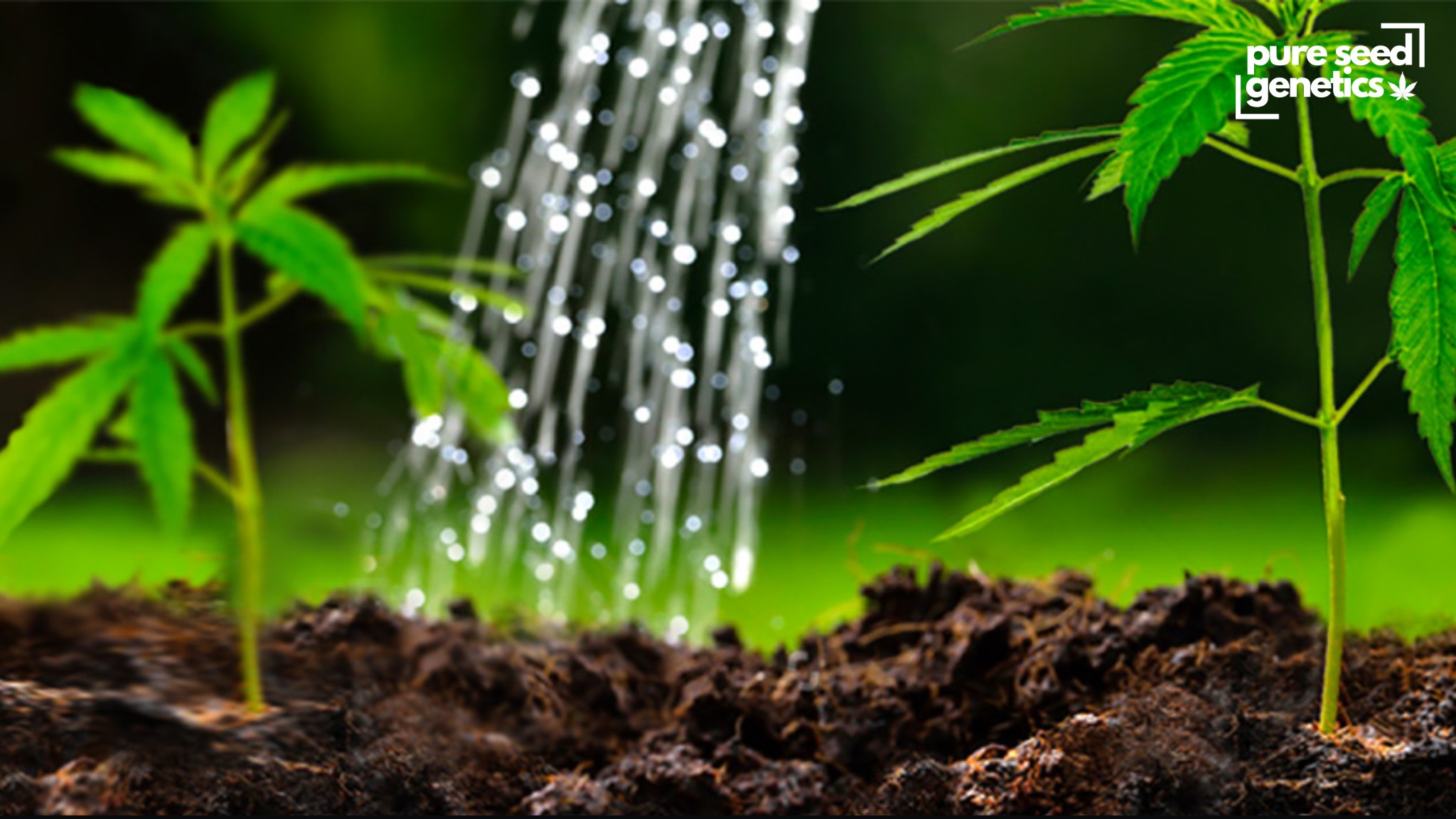
Table of Contents
How much water is needed for a cannabis plant?
Cannabis plants, like any other plant, need water, but the amount they need really depends on a few different factors, like their size, what stage of growth they’re in, and the environment they’re growing in.
When your plant is a seedling or young, it doesn’t need much water. At this stage, you’ll want to be careful not to overwater it because the roots are small and can easily rot if they sit in too much moisture. Water just enough to keep the soil lightly moist—think about giving it around half to a full liter (16-32 oz) every couple of days, but always check the soil first to make sure it’s not too soggy. As the plant gets bigger and moves into the vegetative stage, its water needs increase. It’s growing stronger, so now it might drink about 1-2 liters (32-64 oz) of water every two or three days. You want to make sure the soil stays moist but not soaked. The roots are spreading out, and they need room to breathe, so make sure your pot or grow area has good drainage. If the soil feels dry 1-2 inches down, it’s time to water.
When your plant starts flowering, it’s working hard and needs more water. It’s using a lot of energy to produce those buds, so you might find it drinks around 2-3 liters (64-96 oz) of water every couple of days. But just like before, be cautious not to overdo it. Too much water can suffocate the roots and lead to problems like mold or nutrient issues. At this point, the plant is quite thirsty, but always check the soil to make sure it’s not too wet or too dry.
You want the soil to stay moist but not drenched. Watering deeply and then letting the soil dry out a bit before watering again is a great way to make sure your plant is happy. And remember, every plant is a little different—so always pay attention to how it’s reacting and adjust accordingly.
It’s also important to think about the environment. If it’s hot and dry, the plant might need a little extra water. If it’s cooler and humid, it won’t drink as much. Keeping an eye on your plant and the conditions around it will help you figure out the right watering routine.
How often should you water cannabis?
Watering cannabis properly is essential for healthy growth, and the amount needed depends on factors like plant size, growth stage, soil type, and environmental conditions. Generally, you should water when the top inch or two of soil feels dry, with more frequent watering during the vegetative stage and less during flowering. Overwatering can lead to root rot, while under watering may stress the plant, so it’s important to allow the soil to dry out between waterings. Ensuring good drainage and watering deeply but less often helps encourage stronger root growth, and monitoring the plant’s leaves can also help you detect if it’s being over or underwatered.
Stage Of Growth
Cannabis plants have varying water needs at different stages of their growth cycle. The watering guidelines we’re focusing on here are specifically for mature plants in the vegetative and flowering stages, as seedlings and clones need far less water and require more careful handling.In the early growth phases, it’s crucial to avoid overwatering or using a forceful stream of water, as this can disturb the delicate young roots and even knock the plant over. At this stage, the roots are still fragile and should be gently hydrated. Instead of pouring water directly onto the soil, it’s better to use a light misting technique. This allows the moisture to gently settle into the substrate without overwhelming the plant, ensuring that the roots receive a steady supply of water without being disturbed.
It’s important to let the soil dry out completely between waterings to promote healthy root development. The drying time depends on several factors, such as the temperature, humidity, and the size of the container. Typically, this translates to misting your plants every 2-3 days, but always check the soil before reapplying water to ensure it’s not too wet or too dry. If the top 1-2 inches of the soil are dry to the touch, it’s a sign that it’s time for another light misting.
Letting the soil dry fully before watering again helps the roots establish a stronger foundation. Consistent overwatering can lead to oxygen deprivation in the roots and increase the risk of root rot or mold. It also ensures that the plant’s roots will grow deeper in search of moisture, encouraging better root structure and a more resilient plant.
The frequency and method of watering will vary with environmental conditions. If the temperature and humidity are high, the soil may dry out faster, requiring more frequent misting. In cooler or more humid environments, the soil may retain moisture longer, meaning you won’t need to water as often. It’s always a good idea to keep an eye on the moisture level of the substrate and adjust accordingly to prevent water stress.
Successful watering during the early stages is patience and attention. By misting gently, allowing the soil to dry out fully, and adjusting your watering routine based on environmental conditions, you’ll create an ideal foundation for your cannabis plants to thrive.
Growing Medium
The growing medium for cannabis is the substance in which the plant’s roots develop and take up nutrients, and it plays a significant role in the plant’s overall health and growth. Common growing mediums include soil, coco coir, hydroponic systems, and soilless mixes. Soil is the most traditional choice, offering a natural nutrient base and beneficial microorganisms that support plant health. Coco coir, a renewable and lightweight option, is great for aeration and drainage, though it may require more attention to nutrient levels. Hydroponic systems, which involve growing plants in a water-based solution with added nutrients, allow for faster growth and greater control over nutrients but require more technical knowledge. Soilless mixes combine ingredients like perlite, vermiculite, and peat moss to provide a well-draining, nutrient-absorbing environment, offering a balance between soil and hydroponics. Each medium has its own set of advantages and challenges, and the choice often depends on the grower’s experience, space, and the specific needs of the cannabis strain.
Size Of Container
The size of the container you use for your cannabis plant plays a significant role in how well it can manage moisture and drainage. If you plant a tiny seedling in a large pot, you’ll end up soaking the entire substrate, which can drown the plant before it has a chance to establish a healthy root system. On the flip side, if you put a large, root-bound plant in a small pot, the roots won’t have enough space to grow, leading to water retention issues and poor drainage, which can stress the plant.
This is why growers typically start seedlings in smaller pots. Smaller containers make it much easier to avoid overwatering, as the soil dries out more quickly, allowing the plant to develop its roots without sitting in excess moisture. Once the plant has established itself and outgrows the smaller pot, it’s then transferred into a larger one, where it can expand and thrive. This approach helps to maintain a healthy balance of water retention and drainage as the plant grows.
Outdoor Temperature and Light Exposure
Cannabis plants can exhibit varying growth rates depending on the environmental conditions they’re exposed to. For instance, a plant growing in a cooler climate tends to grow much slower compared to one that’s nurtured in a warmer, more temperate environment. Temperature, however, is just one factor; the intensity of light plays a crucial role as well. Plants that are exposed to more intense sunlight and higher temperatures typically experience faster growth, but they also require more water and nutrients to sustain their development. On the other hand, cannabis plants that receive limited light or are subjected to cooler temperatures have slower growth rates and, consequently, lower water and nutrient demands. Essentially, the combination of heat, light intensity, and the plant’s surrounding environment heavily influences how quickly the plant develops, as well as the care and resources it requires to thrive. Therefore, adjusting these factors can either speed up or slow down the growth process, depending on the grower’s intentions and the specific strain of cannabis being cultivated.
Health of Cannabis Plants
The overall health and vitality of your cannabis plants significantly influence how much water they need. When plants are growing slowly or appear stunted, or if they’re dealing with issues like diseases or pests, they generally won’t require as much water as a plant that is healthy and thriving. A plant under stress or struggling to grow won’t absorb and use water as efficiently, meaning it’s crucial to adjust watering habits to prevent overwatering, which could lead to additional stress or root problems. In contrast, a healthy cannabis plant that is actively growing and developing strong roots will likely have higher water requirements to support its rapid growth and maintain its vitality.
Pure Seed Genetics – Cannabis Seeds
-
Northern Lights
Price range: $39.00 through $180.00 -

Blue Haze
Price range: $39.00 through $180.00 -
CBD Blueberry
Price range: $39.00 through $180.00 -
Zkittlez Feminized
Price range: $39.00 through $180.00
How to Water Cannabis Plants
Here’s a step-by-step process to water cannabis plants effectively:
Step 1: Check the Soil Moisture
Before watering, always check the soil’s moisture level to avoid overwatering. Stick your finger about 2 inches into the soil:
- If the soil feels dry, it’s time to water.
- If it still feels moist, wait another day or two.
Alternatively, use a moisture meter to check the moisture levels more precisely.
Step 2: Use Room Temperature Water
Cold or hot water can shock your cannabis plant’s roots. Always use water at room temperature (around 65–75°F or 18–24°C).
Step 3: Water Evenly and Slowly
Water the base of the plant evenly around the root zone. It’s best to water slowly and in small amounts to allow the soil to absorb it properly. Don’t pour all the water in at once.
Step 4: Let Water Drain
Ensure your pots have good drainage holes. Allow excess water to drain from the bottom of the pot, as cannabis plants do not like to sit in standing water.
Step 5: Wait Between Waterings
After watering, give the plant time to absorb the moisture. Let the soil dry out slightly before watering again. For soil-based systems, this typically takes 2-3 days, depending on factors like plant size, environmental conditions, and pot size.
The Right Amount of Water
The amount of water you give your cannabis plants depends on several factors, including the size of the plant and its pot, the growth stage of the plant, and the environmental conditions it’s exposed to. Younger plants typically require less water compared to mature plants, as their root systems are smaller and less developed. As plants grow larger, they need more water to support their increased size and activity. Additionally, environmental factors such as temperature, humidity, and air circulation play a significant role in how much water is necessary. Warmer temperatures and higher humidity may increase water requirements, while cooler conditions or poor air circulation might reduce the plant’s need for water. It’s important to assess these factors regularly to ensure your cannabis plants are receiving the right amount of water for healthy growth.
As a general rule:
- For small plants, you might only need to water 1–2 cups (240–480 ml).
- Larger plants can require up to 1–2 gallons (3.8–7.6 L) per watering session.
Types of Water to Use
Cannabis plants are sensitive to the quality of water used. Here are some considerations:

- Tap water
can be used for watering cannabis plants, but it’s important to make sure it doesn’t contain too much chlorine or heavy metals, as these can harm the plants over time. Chlorine, which is commonly added to municipal water supplies to disinfect it, can be especially damaging to the plant’s roots and overall health. To make tap water safer, it’s recommended to let it sit out for 24–48 hours before use. This allows the chlorine to naturally dissipate into the air. However, chloramine, another disinfectant commonly used, doesn’t evaporate as easily, so it may require additional treatments like using a water filter or dechlorinating agents. By letting the water sit or filtering it, you ensure that the water you provide to your cannabis plants is much safer, reducing the risk of nutrient lockout or root damage caused by these harmful chemicals.
- Distilled water
is water that has been purified through a process of boiling and condensation, which removes nearly all minerals, impurities, and contaminants. While it’s free from harmful substances like chlorine and heavy metals, this lack of minerals means it doesn’t provide any of the essential nutrients cannabis plants need for healthy growth. If you’re using distilled water, you’ll likely need to supplement it with nutrients, as the plants won’t be able to absorb any minerals from the water itself. This makes it an ideal choice for growers who want precise control over nutrient levels, but it also means you’ll need to add fertilizers or other mineral-rich solutions to support your plants’ development. Keep in mind that without these supplements, your cannabis plants may show signs of nutrient deficiencies over time.
- Reverse Osmosis (RO) water
is highly purified, removing impurities like chlorine, heavy metals, and dissolved salts, making it ideal for hydroponic or coco coir systems. It provides a clean slate for adding nutrients, giving growers full control over what their plants receive. Since RO water lacks natural minerals, you’ll need to supplement it with nutrients to prevent deficiencies and support healthy growth. This makes RO water a great choice for precise nutrient management.
How to Identify When Your Plants Need Water
Now that you understand the factors that influence how much and how often cannabis plants need water, and how these factors can vary for each grower, the next question is: how can you know the right moment to water your plants?
- Drooping, Weak Plants
If your cannabis plants are really thirsty, they’ll start to droop and look weak and lifeless, which is pretty hard to miss. However, it’s important to note that this can also happen if you’ve overwatered them. The difference is that when plants are overwatered, their leaves usually turn dark green, curl into a “claw” shape, and the whole plant looks heavy and waterlogged.
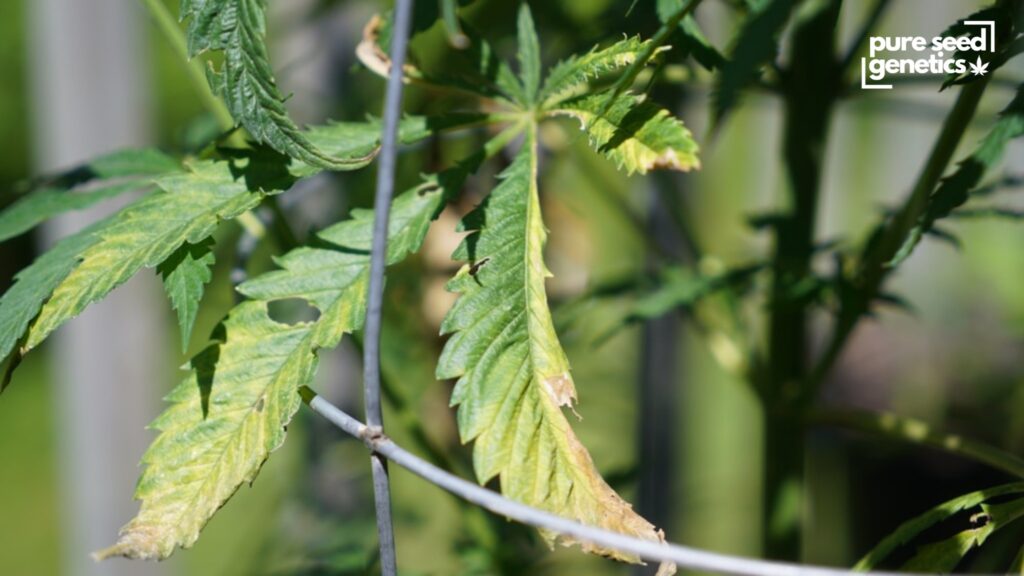
If you’ve been growing for a while, it gets easier to tell if the drooping is due to underwatering or overwatering. If the soil is bone dry and it’s been a while since you last watered, the drooping is probably because the plant is thirsty, not overwatered.
Tip: It’s usually safer to underwater a bit than to overwater. If your plants are just thirsty, they’ll typically perk up within a few hours after you water them. Occasional underwatering won’t harm them, but overwatering can be much more damaging and harder to fix.
- Yellow or Brown Leaves
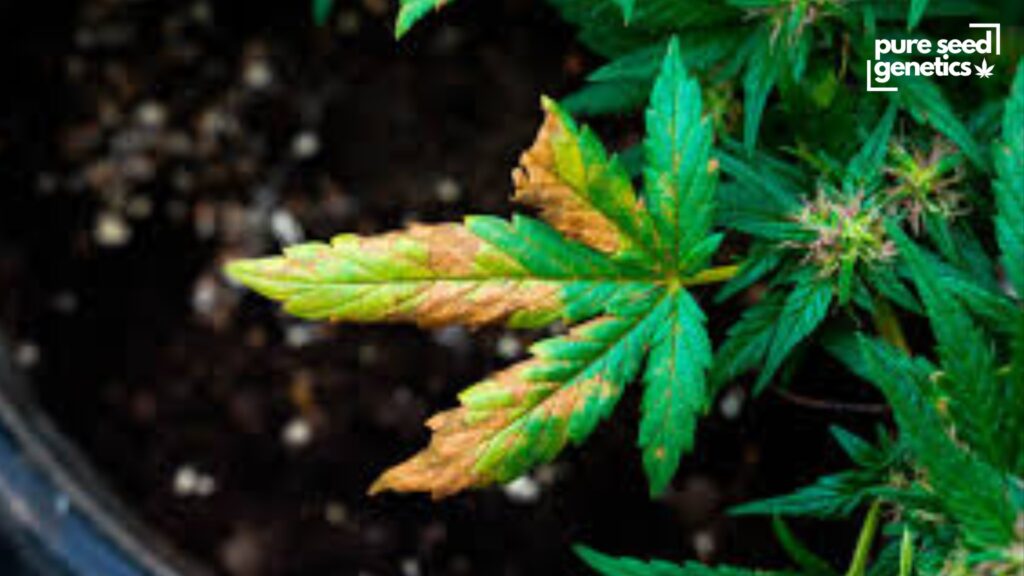
If your cannabis plant is thirsty, it might start to wilt and droop, but you’ll also notice the leaves turning yellow or brown. While some yellowing of leaves is normal in the later stages of flowering, a healthy vegetative plant shouldn’t have dry, yellow, or brown leaves unless something is off, like underwatering.
- Just Check The Soil!
To take the guesswork out of your watering routine, try a simple method. By inserting your finger about 2 inches (5 cm) into the soil, you can get a sense of how dry the top layer has become. However, this doesn’t tell you about the moisture levels deeper in the pot.
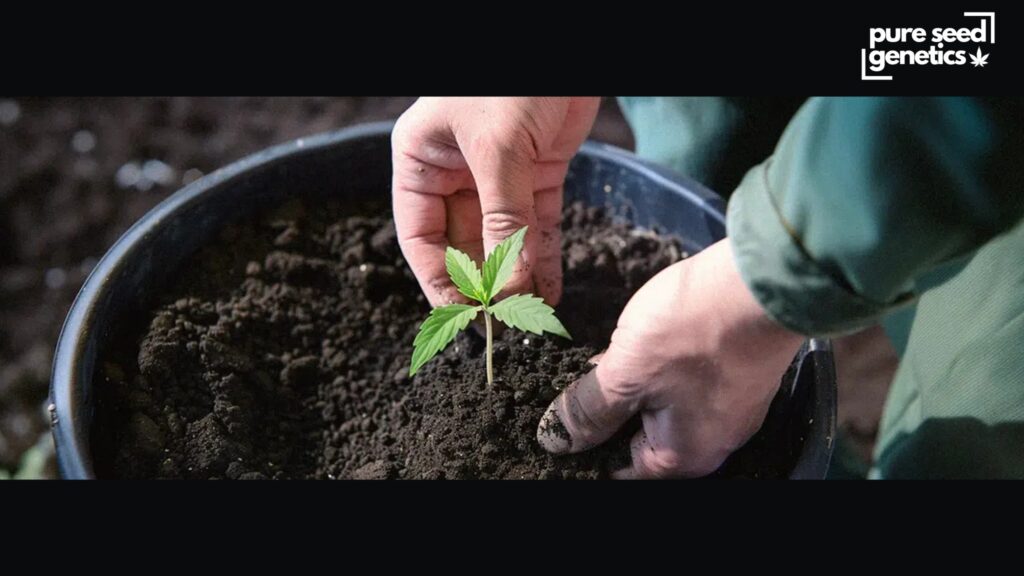
A more reliable method is to weigh your pots. Over time, you’ll learn how the pots feel when they’re dry versus when they’re fully watered. Even better, you can weigh them regularly to know exactly when they’re ready for a drink of water. This gives you a clear picture of how much moisture is left, making it easier to decide when it’s time to water.
How to Water Cannabis Plants While You’re Not Around?
When you’re away from home, it can be tricky to ensure your cannabis plants stay properly watered. Whether you’re going on vacation or have a busy schedule, it’s important to plan ahead so your plants don’t suffer from dehydration. Cannabis plants have specific water needs depending on their size, growth stage, and environment, so finding a reliable way to water them while you’re gone is key to keeping them healthy and thriving. In this guide, we’ll explore several methods to help maintain the right moisture levels for your plants, even when you can’t be there to do it yourself.
Affordable Solutions
You don’t have to spend a lot of time or money to keep your plants healthy. Low-cost and easy methods can be just as effective. Here are three of the best budget-friendly ways to ensure your plants get the water they need while you’re away.
- Homemade Drip Irrigation
Drip irrigation is an ideal method to deliver a consistent, gradual flow of water to your plants. Instead of flooding your soil occasionally, drip systems provide a steady trickle of water that is absorbed evenly over time.
To create your own system, take an empty water bottle and punch a few small holes in the cap with a hammer and nail. Fill the bottle with water, screw the cap back on, and bury the bottle upside down in the soil of your container or garden. This technique can keep your plants hydrated for up to five days.
- Makeshift Greenhouse
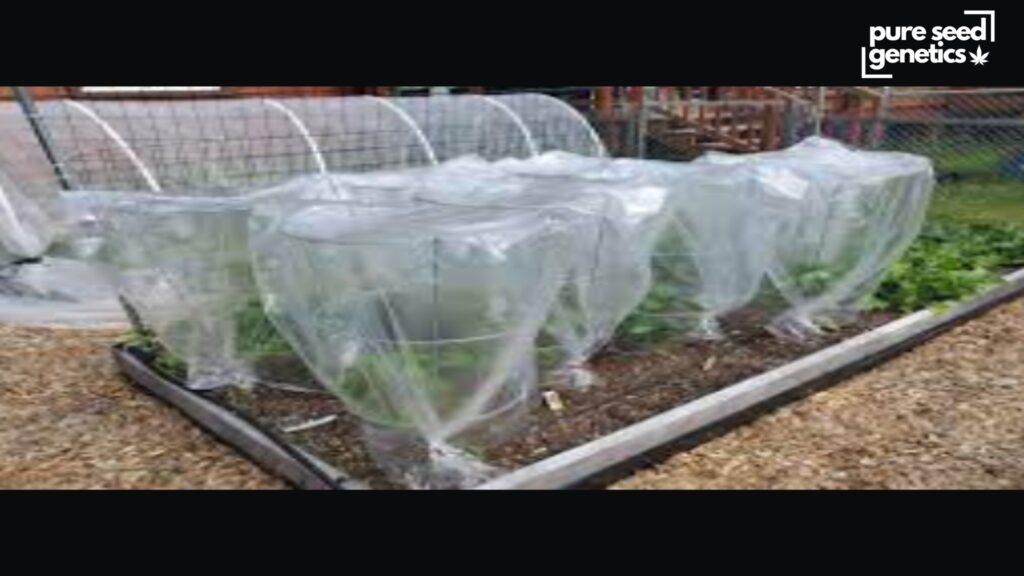
A makeshift greenhouse can be easily created using a simple plastic bag, which helps recycle the moisture your plant releases through transpiration. Start by placing four wooden stakes around the edges of your container to create a frame. Water your plant thoroughly and move it to a shaded area, away from direct sunlight.
Next, take a large clear plastic bag and cover your plant, draping it over the four stakes. Secure the bag loosely around the rim of the container with a piece of string, leaving space for airflow. The plastic bag traps moisture from the plant, causing condensation to form inside. This moisture then “rains” back down onto the soil, creating a self-sustaining water cycle that keeps your plant hydrated without needing additional watering.
- Automatic Watering Stakes
For a simple, low-tech watering solution, you might want to try automatic watering stakes. These clever devices consist of a small stake connected to a tube that leads to a water reservoir. You can use almost any small container as the water source, such as a glass jar or Tupperware. To use them, just unscrew the cap on the stake and fill it with water. Afterward, insert the cap into the soil and place the other end of the tube into your chosen water container.
The water will gradually travel through the tube into the stake, allowing moisture to be absorbed by the soil and keeping your plants hydrated while you’re away. These stakes work effectively by releasing water at a rate that matches the plant’s natural water uptake, preventing the risk of overwatering and ensuring your plant stays nourished without excess moisture.
High-Tech Method
If you’re willing to invest in keeping your plants well-watered and your harvest secure, high-tech watering systems are a great option. Some growers enjoy upgrading their setups with advanced products that offer precision control and convenience, while others are simply passionate about cutting-edge gardening technology. Here are two of the top high-tech options for ensuring your plants stay hydrated while you’re away:
- Irrigation
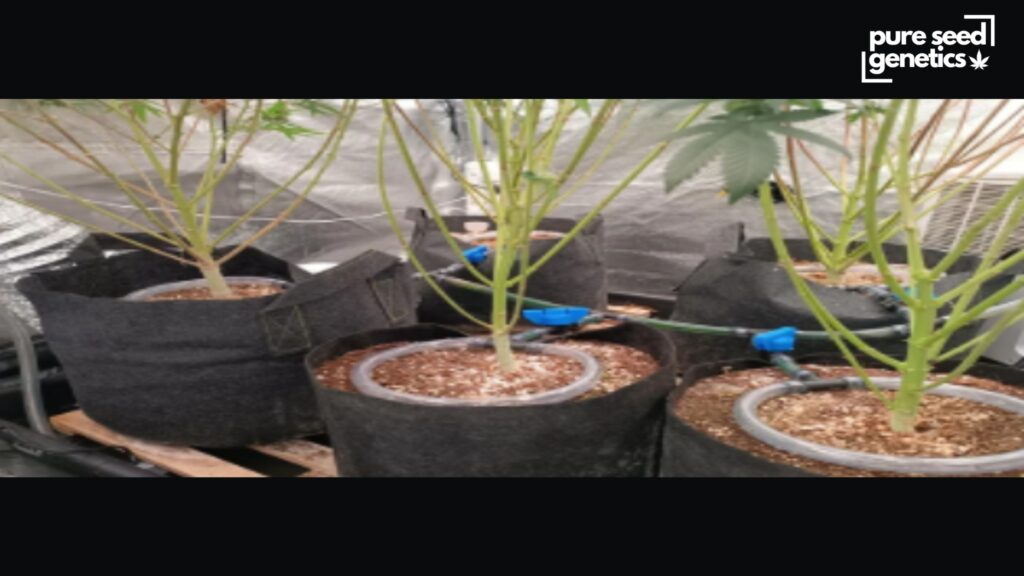
Nowadays, growers have plenty of options when it comes to watering their plants, thanks to modern irrigation systems. These systems use timers and controllers to make sure your cannabis gets watered exactly when it needs it. Water is pumped through tubing from a reservoir, sending it directly to individual containers as needed. Some advanced models even have Wi-Fi capabilities, so you can adjust settings right from your phone, whether you’re at home or on the go. It’s a super convenient way to keep your plants happy and hydrated without having to do all the manual work yourself.
- Slow Drip System with Smart Timer
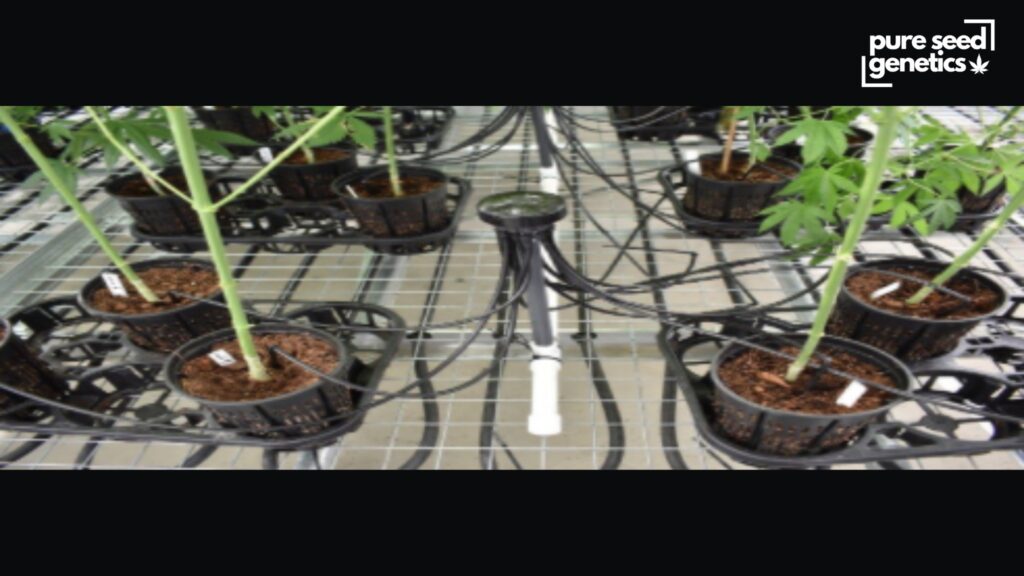
A slow drip system with a smart timer is a modern, more efficient version of the classic watering bottle trick. These systems are super easy to set up and provide a steady, gentle stream of water that keeps your cannabis plants hydrated without overdoing it.
The setup includes a hose, drip couplers, stakes to keep the hose in place, and a timer to control the watering schedule. You can position the drip couplers wherever you need them along the hose, so you can water individual plants in garden beds or grow rooms. Once you’ve set the timer to your preferred watering times, the system will handle the rest, making sure your plants get exactly the right amount of water when they need it.
Water Properly, But Not Excessively!
Understanding the right way and timing to water your plants, along with recognizing potential issues, helps you avoid many common cannabis cultivation challenges. By doing so, you’ll cultivate strong, thriving plants and enjoy great harvests!
Wishing you successful growth!

Pure Seed Genetics
Cannabis seeds for sale with free shipping across the USA, Europe, and Canada. Our weed seeds are bred to meet customer and breeders standards of growing of all levels and tastes.
Copyright 2026 © Pure Seed Genetics
