
Choosing Outdoor Seeds To Grow In Your Climate
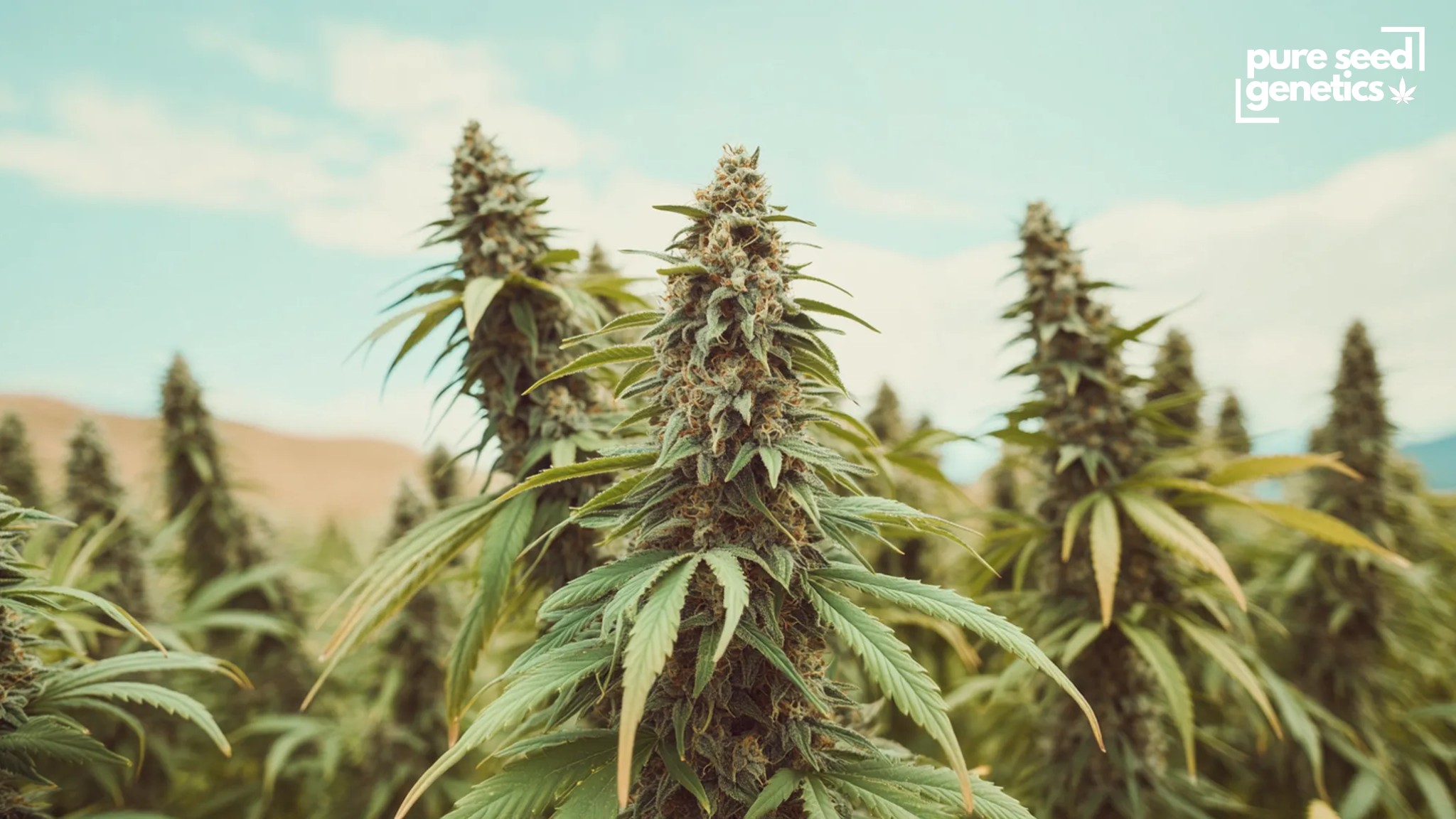
Table of Contents
Choosing the right outdoor seeds for your climate is crucial for a successful garden. The climate plays a significant role in how well plants will grow and thrive, impacting their ability to survive temperature extremes, cope with precipitation levels, and adapt to soil conditions. Without selecting plants that are suited to your local climate, even the most carefully planned garden could fail. To ensure your garden flourishes, it’s important to choose seeds that align with the environmental conditions you’re working with. Here are some steps to help you choose the best seeds for your area:
Understand Your Climate Zone
The very first thing you need to do when choosing the right seeds for your garden is figure out which climate zone you live in. This step might seem like a small detail, but it actually has a huge impact on how well your plants will grow. Different regions of the world experience different weather patterns—things like the average temperatures, how long the frost lasts, and the length of the growing season—all of which can make a big difference in what kinds of plants will thrive in your garden.
One of the most common ways to classify climate zones is through something called the USDA Hardiness Zones. These zones are based on the average annual minimum temperature you can expect in a given area during the coldest part of the year. The zones range from 1, the coldest, to 13, the warmest. For example, Zone 1 is for places that experience very cold winters with temperatures that can drop below -50°F, while Zone 13 is found in areas with much warmer winters, where temperatures might rarely dip below 40°F.
Why does this matter? Well, knowing your climate zone helps you pick plants that are suited to the temperatures, frost dates, and overall growing conditions in your area. Plants that are grown outside of their ideal climate zone might struggle, or worse, not survive at all. For instance, if you live in a Zone 5 area, you might have to say goodbye to tropical plants that need heat and warmth. However, you’ll have a much better chance with plants that are hardy to your zone, because they’re adapted to handle the cold and can grow well during your particular growing season.
Your zone can also help you plan out when to plant your seeds and when to expect your plants to be ready for harvest. Some areas have long growing seasons, while others have shorter ones due to early frosts or late spring cold spells. By knowing your zone, you’ll be able to better understand when it’s safe to plant and how much time your plants will need to mature. It’s also a key factor when deciding whether certain crops will be able to thrive in your garden, especially if they have specific temperature requirements.
To find out your exact USDA Hardiness Zone, there are several resources available to help. Many online tools can tell you your zone just by entering your zip code or city. Local gardening centers and extension offices are also great places to ask for advice—they know the local climate inside and out and can give you tailored recommendations on what grows best in your area.
Understanding your climate zone isn’t just about picking the right seeds—it’s about setting your garden up for success. When you select plants that are naturally adapted to your region’s conditions, you’re giving them the best possible chance to thrive. It takes the guesswork out of gardening and helps ensure that your hard work pays off in the form of a bountiful and beautiful garden.
Tip: Check local gardening resources or online tools to find your hardiness zone. Local extension offices or garden centers are also great places to get advice on suitable plants for your area.
How Much Sun is Your Garden Getting?
The first thing you need to do is figure out how much sunlight your cannabis plants will get each day throughout the growing season. Once you have a clear idea of the amount of sun you’ll have, you can start choosing the right strains for your specific conditions. It’s also a good idea to stay on top of your local weather forecast and do a bit of research. Check out reliable sources to gather data on things like daily sunlight hours, sunrise and sunset times, daytime and nighttime temperatures, prevailing winds, and how often it rains in your area.
If you’re growing somewhere with a Mediterranean climate, you’re in luck—you can grow late-blooming Sativa strains outdoors, starting around April and going all the way through to harvest in October. If you’re in Northern Europe, on the other hand, you might only have a short 8 to 10-week window between Spring and Summer, so you’ll need tough, resilient strains like ruderalis to make the most of that time. And if you’re somewhere in between, you’ll likely want to go with versatile hybrid strains that can handle the summer growing season and make the most of your climate’s unique conditions.
Cannabis Growth Requirements
Before you start selecting cannabis strains based on your climate, it’s important to first get a clear understanding of the basic growth needs of cannabis plants. Cannabis is a pretty hardy plant, but it does have some specific requirements that will help it flourish. Essentially, cannabis plants need three key things to grow well: warmth, sunlight, and good soil conditions. If you can meet those needs, your plants will be much more likely to thrive.
First and foremost, cannabis plants are sun-lovers. They need a lot of light, and in fact, most cannabis strains will do best when they receive 12 to 16 hours of direct sunlight per day during the growing season. The more sunlight they get, the better the photosynthesis process, which is how plants convert light into the energy they need to grow. This is one reason why cannabis is often grown outdoors in regions that have plenty of sunlight, but it can also thrive in a controlled indoor environment with the right kind of artificial lighting.
In terms of temperature, cannabis plants generally do best in warm conditions, but not too hot. The ideal daytime temperature for growing cannabis is between 70°F and 85°F (21°C to 29°C). These temperatures are perfect for encouraging healthy growth, but they can vary depending on the stage of growth. Cannabis plants tend to grow more vigorously during the warm parts of the day, and that warmth helps them develop strong roots, healthy foliage, and dense buds. At night, cannabis plants benefit from slightly cooler temperatures, ideally between 60°F and 70°F (15°C to 21°C), as this helps to promote healthy respiration and nutrient uptake.
But warmth and sunlight alone aren’t enough. The environment needs to be conducive to healthy airflow as well. Good air circulation ensures that the plants get enough oxygen and carbon dioxide, which is crucial for the photosynthesis process. It also helps prevent mold, mildew, and other pests from thriving. That’s why proper ventilation is so important in an indoor grow setup, and why choosing an outdoor space with natural breezes and good air movement is key for outdoor growing.
Finally, cannabis plants need well-drained soil to grow their best. Cannabis roots are sensitive to waterlogged conditions, which can lead to root rot and other problems. Soil that drains well—whether it’s sandy, loamy, or has the right balance of organic matter—ensures that the roots can get the oxygen they need while also absorbing water and nutrients. If you’re growing cannabis outdoors, make sure the soil doesn’t stay soggy for long periods of time, and if you’re growing indoors, consider using a quality potting mix with good drainage properties.
If the climate where you live falls within these ideal temperature ranges, you’re already off to a great start. With the right amount of sunlight, airflow, and soil, cannabis plants can grow well in your environment. From here, you can begin thinking about which specific cannabis strains are best suited to your climate, as different strains may have different tolerances to temperature and humidity. But having this basic understanding of what cannabis plants need is the first step in setting yourself up for success. The better you can match these needs to the conditions in your area, the healthier and more productive your cannabis plants will be.
Pure Seed Genetics – Cannabis Seeds
-
Northern Lights
Price range: $39.00 through $180.00 -
Blue Haze
Price range: $39.00 through $180.00 -
CBD Blueberry
Price range: $39.00 through $180.00 -
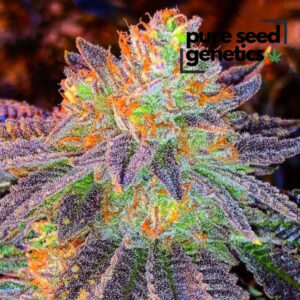
Zkittlez Feminized
Price range: $39.00 through $180.00
Choosing the Right Strain for Your Climate
Cannabis strains are generally categorized into three types: Indica, Sativa, and Hybrid. Each type has its own characteristics and will behave differently depending on the climate in which it is grown.
Hot and Dry Climates
Regions like deserts or areas with long, hot summers and minimal rainfall require strains that can withstand heat, intense sunlight, and drought-like conditions. These strains should be resilient to high temperatures and dry environments, where water conservation is key.
- Sativa-dominant strains: These strains tend to thrive in warmer climates and are known for their longer flowering periods. They also typically require more sunlight to reach their full potential.
Examples:
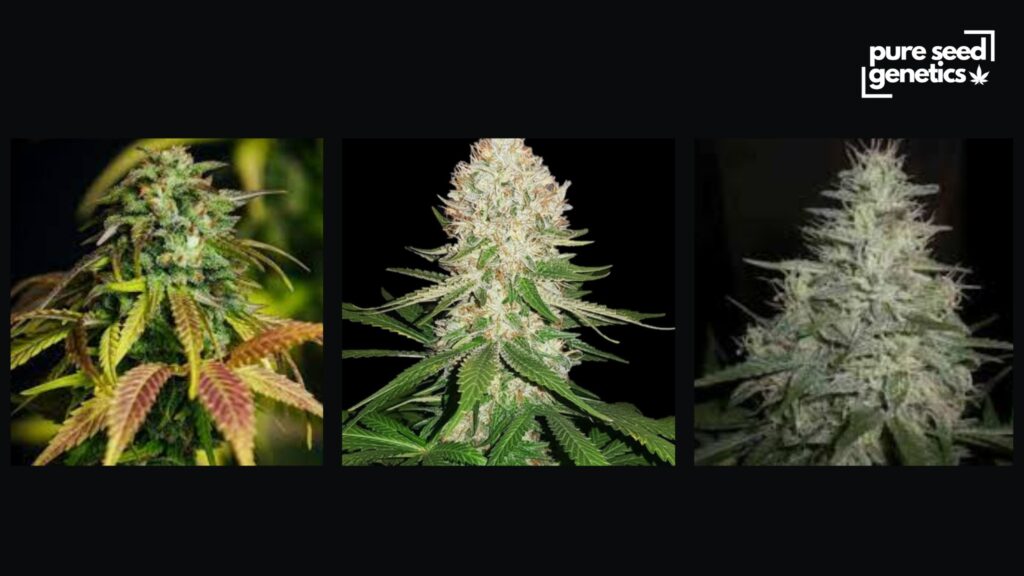
Sativa plants are generally tall, with long internodes that help them deal with heat and intense sunlight. Their roots are deep, which can help them access water stored further underground.
Key Considerations:
- Watering: Hot, dry climates can dry out the soil quickly, so it’s important to water the plants deeply but less frequently. Consider using mulch to retain moisture.
- Heat Resistance: Look for strains that are known for their heat tolerance and ability to flower despite high temperatures.
- Flowering Period: Hot climates may cause faster flowering, so choose early-flowering strains that finish before temperatures get too high.
Cool or Short Growing Seasons
In cooler climates or places with shorter growing seasons, cannabis needs strains that can flower quickly and thrive in lower temperatures. These regions may experience frost in early fall, so you want to choose strains that can reach maturity before the first frost hits.
- Indica-dominant strains: Indicas tend to have a shorter flowering period and are generally more resistant to cold weather. They’re ideal for areas with shorter summers and lower temperatures.
Examples:
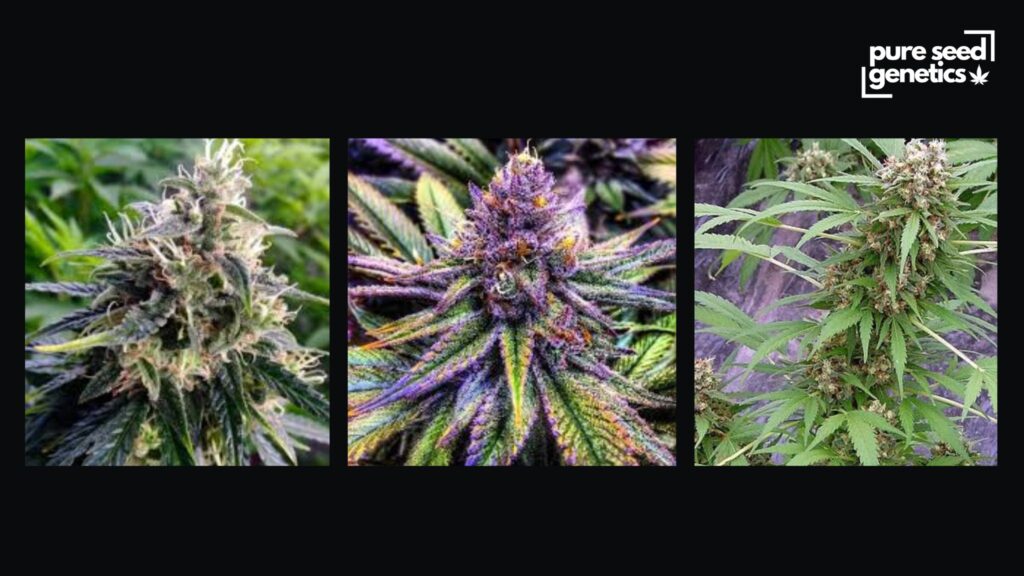
Indicas tend to be bushier and more compact than sativas, making them easier to manage in smaller spaces or areas where cold winds might be a problem. Their shorter flowering time also ensures they finish before the cold sets in.
Key Considerations:
- Flowering Time: Choose strains with a rapid flowering period, as these are more likely to finish before the temperature dips too low.
- Frost Resistance: Some strains have built-in resilience to cooler temperatures, which can help them survive through colder nights or early frost.
- Outdoor Setup: If you are in a particularly cool area, consider growing cannabis in raised beds or greenhouses that can extend the growing season and provide protection from the elements.
Humid or Rain-Prone Climates
If you live in a region where rain is frequent and humidity levels are high, you’ll need to select cannabis strains that are resistant to mold, mildew, and other moisture-related issues. High humidity can cause mold to thrive on your cannabis plants, especially as they reach maturity, so it’s crucial to choose strains that can handle these wet conditions.
- Sativa-dominant hybrids: Many sativa-dominant strains are more resistant to mold and mildew because they tend to grow taller with more space between branches, which improves airflow.
Examples:
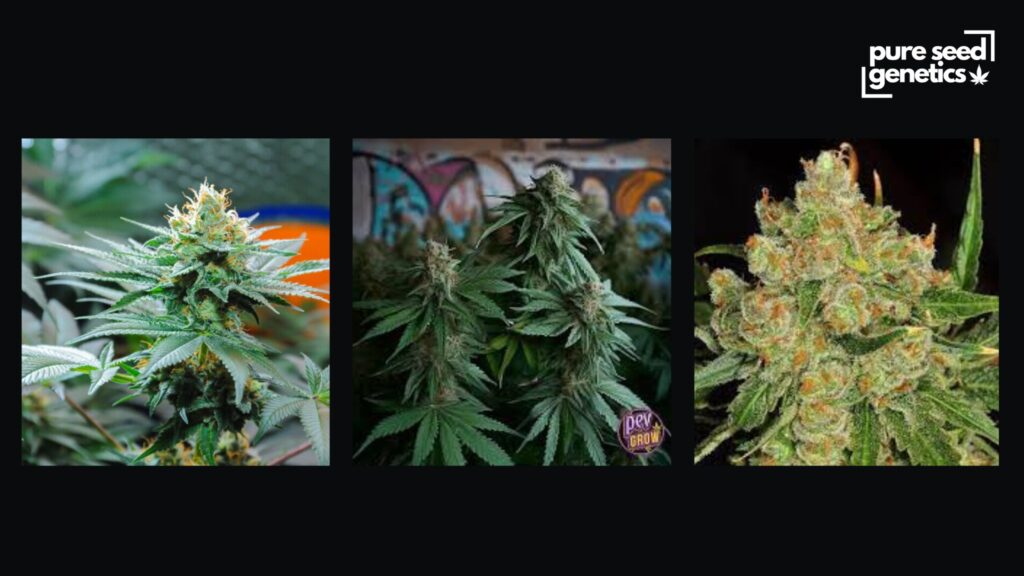
Sativa and hybrid strains often have a looser, airy bud structure that reduces the risk of moisture retention in dense buds. They’re also often more resistant to pests and diseases that thrive in high-humidity environments.
Key Considerations:
- Mold Resistance: Look for strains that have shown resistance to mildew and mold. Some strains are bred specifically to resist these issues.
- Air Circulation: Ensure that your cannabis plants are spaced well apart to encourage airflow, and avoid overcrowding.
- Rain Protection: Consider providing some form of shelter or a rain cover to protect the plants from heavy rainfall.
Mild and Mediterranean Climates
For areas with mild winters and hot, dry summers—like parts of California, Southern Europe, or parts of Australia—cannabis thrives in Mediterranean climates. The combination of long, warm days with cool nights creates ideal conditions for cannabis plants, especially those with longer growing seasons.
- Hybrid or Sativa-dominant strains: Mediterranean climates are perfect for growing a wide range of cannabis strains, from early-flowering hybrids to more tropical sativa varieties.
Examples:
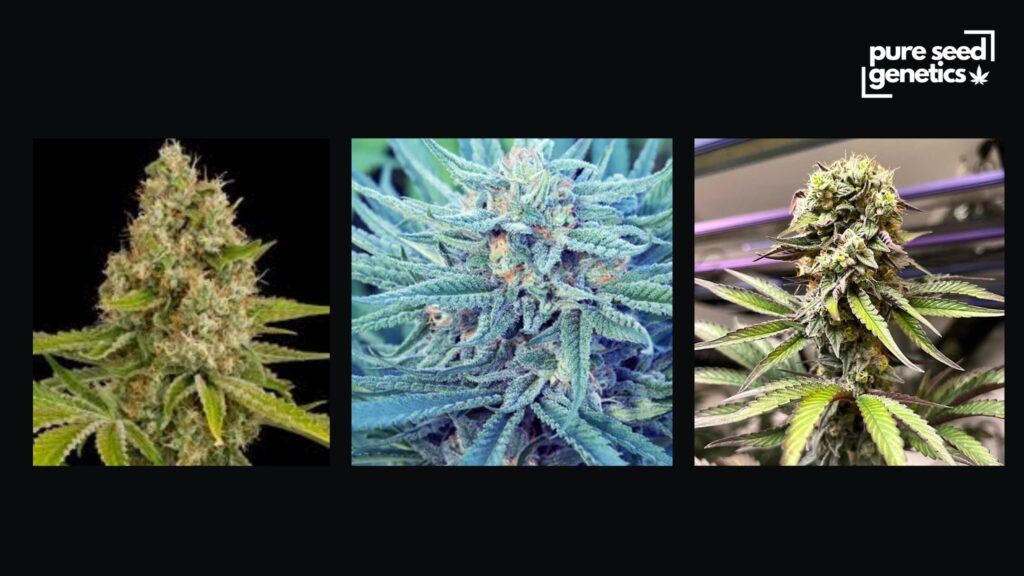
These strains benefit from extended daylight hours and a steady supply of sunlight. The mild winter temperatures allow for a longer growing season, which can result in higher yields.
Key Considerations:
- Sunshine: Mediterranean climates often receive abundant sunlight, so ensure your plants have enough space to avoid shading each other.
- Temperature Control: While daytime temperatures may be hot, nighttime temperatures in Mediterranean climates can be cooler, so it’s important to choose strains that can handle temperature fluctuations.
Other Factors to Consider
Beyond temperature and humidity, there are other factors that can influence your choice of cannabis seeds for outdoor cultivation:
- Altitude: If you’re growing at high altitudes, the temperature can fluctuate more drastically. Choose strains that can tolerate the cooler nights and potentially lower oxygen levels.
- Soil Type: Cannabis thrives in well-draining, nutrient-rich soil. Conduct a soil test to understand your soil’s pH and nutrient profile. Some strains prefer slightly acidic or slightly alkaline conditions.
- Pests and Diseases: Certain regions have more pest issues than others, especially in tropical or humid areas. Consider pest-resistant strains or use natural pest control methods.
- Legal Considerations: Depending on your location, cannabis cultivation might be regulated or restricted. Always ensure you are abiding by local laws when growing cannabis outdoors.
Conclusion
Choosing the right cannabis seeds for your climate is key to a successful harvest. Each strain has unique needs, and matching those with your region’s conditions—whether hot, cool, humid, or Mediterranean—can make all the difference. Hot, dry climates favor heat-tolerant Sativa strains, while cooler areas benefit from faster-flowering Indicas. In humid climates, mold-resistant hybrids with good airflow work best. Mediterranean regions offer flexibility for a wide range of strains, thanks to mild temperatures and extended growing seasons.
Beyond climate, factors like altitude, soil quality, pests, and local laws should also be considered. By understanding your environment and selecting the right seeds, you can optimize your cannabis growth and achieve a high-quality, bountiful harvest. With the right preparation and choice of strain, your outdoor garden will thrive season after season. Happy growing!

Pure Seed Genetics
Cannabis seeds for sale with free shipping across the USA, Europe, and Canada. Our weed seeds are bred to meet customer and breeders standards of growing of all levels and tastes.
Copyright 2026 © Pure Seed Genetics
