
Cannabis Flowering Stage Week-by-Week

Table of Contents
The flowering stage is the most exciting and crucial period in the cannabis growth cycle. It’s the stage where your plant transitions from vegetative growth to producing the resinous, potent buds that cultivators eagerly anticipate. Understanding the week-by-week development of cannabis during the flowering phase can help growers optimize conditions for maximum yield, potency, and quality. Let’s dive into the details of each week of flowering, what changes to expect, and how to care for your plants during this critical time.
What is the Cannabis Flowering Stage?
The cannabis seeds flowering stage is one of the most critical phases in the life cycle of a cannabis plant. It’s the period where the plant transitions from vegetative growth—where it focuses on growing leaves, stems, and roots—to flower production, which is the ultimate goal for most growers. During this stage, the plant begins to produce the buds that contain the key cannabinoids like THC, CBD, and other compounds that contribute to the effects, flavor, and aroma of the final product.
Pure Seed Genetics – Cannabis Seeds
-
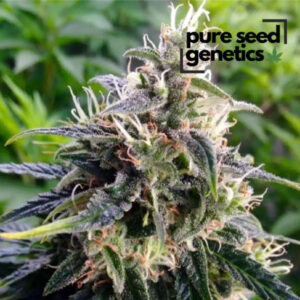
Northern Lights
Price range: $39.00 through $180.00 -
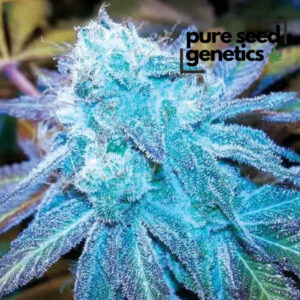
Blue Haze
Price range: $39.00 through $180.00 -
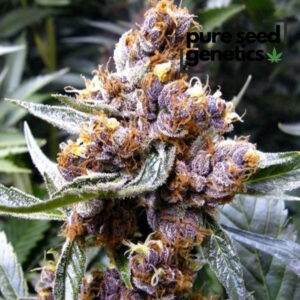
CBD Blueberry
Price range: $39.00 through $180.00 -
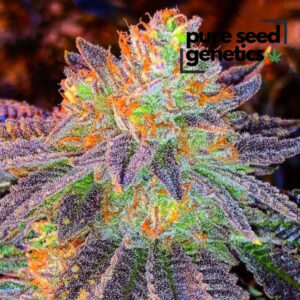
Zkittlez Feminized
Price range: $39.00 through $180.00
Why is the Flowering Stage Important?
The flowering stage is the most crucial phase in the cannabis plant’s life cycle because it directly impacts the quality, potency, and yield of the buds, which are the main product for cannabis growers. During this phase, the plant’s primary focus shifts from vegetative growth (developing leaves, roots, and stems) to producing flowers, which eventually become the buds rich in cannabinoids (such as THC and CBD) and terpenes (which provide aroma and flavor). Proper care during this stage is vital to achieve the best possible outcome.
Week 1: Transitioning into Flowering (Pre-Flowering)
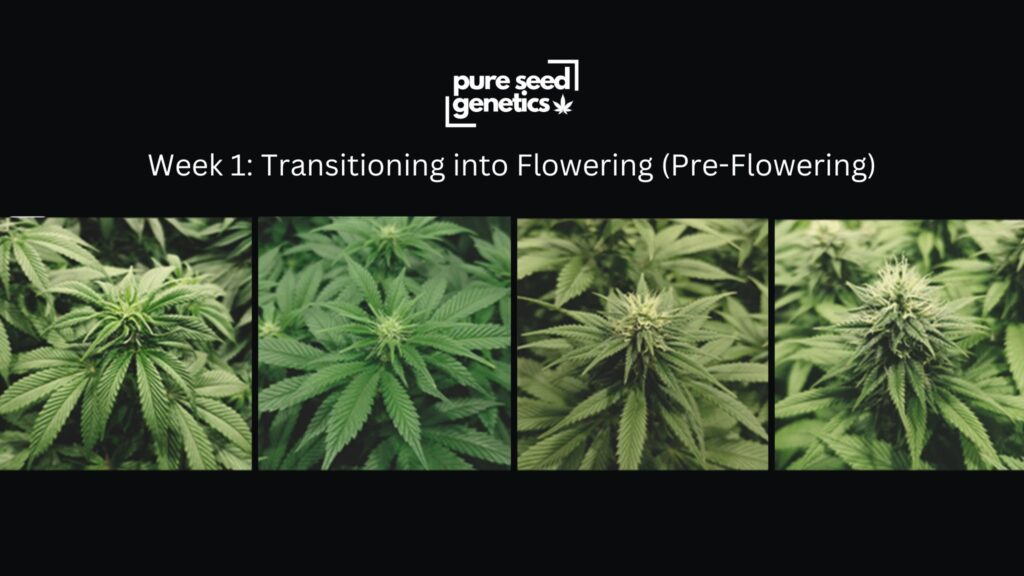
In Week 1 of transitioning into flowering (pre-flowering), the cannabis plant undergoes significant changes, but they may not be immediately obvious in terms of bud formation. This phase begins when you switch the light cycle to 12 hours of light and 12 hours of darkness, signaling the plant that it’s time to flower. During this time, the plant enters what’s known as the “flowering stretch,” which is when the plant’s size increases rapidly as it focuses on vertical growth.
The “flowering stretch” is a critical time because the plant can grow several inches or even feet in height, especially in sativa strains, which tend to stretch more than indica varieties. Although you may not see flowers immediately, it’s a key moment when the plant starts to prepare itself for the reproductive phase.
Another noticeable change during Week 1 is the development of pre-flowers at the nodes (the points where branches meet the main stem). These pre-flowers help identify the plant’s sex. Female plants will start to show small, wispy white pistils, which are early signs of flowers. Male plants, on the other hand, will develop pollen sacs. Recognizing these early signs is crucial, especially if you’re trying to separate male plants from females to prevent pollination.
In summary, Week 1 is all about the plant preparing to flower, with a focus on stretching and the emergence of pre-flowers that will later determine the plant’s reproductive potential.
Care Tips:
- Maintain consistent lighting schedules to prevent stress.
- Slightly reduce nitrogen levels while increasing phosphorus and potassium for bud development.
- Monitor and manage humidity levels to prevent mold growth.
Week 2: Early Flower Development
In Week 2 Early Flower Development, the cannabis plant is fully immersed in the flowering phase, and several important changes occur during this time. While the plant’s rapid vertical growth (the “flowering stretch”) from Week 1 may begin to slow down, it’s still growing taller. This continued stretch allows the plant to create more space for its future buds to develop.
At the nodes (where branches meet the main stem), the plant begins to develop distinct bud sites, signaling the early stages of flower formation. These bud sites are the future locations where the cannabis flowers will grow, and they are often marked by the development of white pistils—thin, hair-like structures that appear as the plant begins to prepare for reproduction. As the pistils become more prominent, it’s clear that the plant has transitioned fully into the flowering phase.
If you’re using training techniques like Low-Stress Training (LST) or Screen of Green (ScrOG), Week 2 is an ideal time to focus on the structure of your plant. These methods involve manipulating the plant’s growth to maximize light exposure to all bud sites. Low-Stress Training (LST) involves gently bending and securing branches to encourage horizontal growth, while ScrOG uses a screen to spread out branches evenly. By doing this, you help the plant grow in a way that allows light to penetrate more evenly across the canopy, promoting healthier bud development and potentially higher yields.
In summary, Week 2 marks the beginning of visible flower development with the appearance of pistils and the formation of bud sites. The plant continues to stretch, and if you’re using training methods like LST or ScrOG, it’s crucial to ensure the branches are evenly spread to ensure optimal light exposure for healthy bud growth.
Care Tips:
- Continue adjusting nutrients by reducing nitrogen and increasing phosphorus.
- Check for signs of deficiencies or nutrient burn.
- Ensure good airflow around the plants to prevent excess humidity buildup.
Week 3: Budlets Start Forming
In Week 3 Budlets Start Forming, the cannabis plant transitions from the early stages of flower development into more visible bud formation. By this point, the plant has moved past its rapid stretch and begins to focus its energy on producing flowers rather than growing taller. This shift is a significant marker in the flowering process.
During this week, you’ll begin to notice small clusters of buds, often referred to as budlets. These are early, undeveloped flowers that are just starting to form. At this stage, the budlets are still quite small and may not yet resemble the dense, mature buds that will appear later, but they are a clear indication that the flowering process is progressing.
The plant’s stretching will continue to slow down significantly as it begins to shift its energy from vertical growth to flower development. The growth of the branches and stem will still continue, but the focus now is on thickening and developing the buds.
One of the most exciting developments in Week 3 is the appearance of trichomes. These tiny, crystal-like structures start to form on the flowers and leaves. Trichomes are important because they contain the plant’s cannabinoids (like THC and CBD) and terpenes (which give cannabis its distinctive aroma and flavor). While trichomes may not be fully visible to the naked eye at this stage, they are beginning to develop and will become more prominent as the plant matures.
Additionally, the plant’s aroma will start to become noticeably stronger during Week 3. The scent is often a sign that the plant is producing terpenes and other aromatic compounds as part of the flowering process. Depending on the strain, the aroma can range from sweet and fruity to earthy, spicy, or even skunky.
In summary, Week 3 is a critical time in the flowering phase as budlets begin to form and the plant shifts from stretching to flower production. Trichomes start developing, and the aroma of the plant becomes more pronounced. This marks the beginning of the cannabis plant’s transformation into fully developed flowers.
Care Tips:
- Avoid excessive pruning, as the plant focuses energy on bud production.
- Start monitoring trichome development under a magnifying glass.
- Keep pH levels stable to ensure nutrient absorption.
Week 4: Resin Production Increases
In Week 4 Resin Production Increases, the cannabis plant enters a more advanced stage of flowering where significant developments in both bud growth and cannabinoid production take place. By this point, the plant is fully focused on producing flowers, and this is when you’ll see some of the most noticeable changes.
One of the most prominent changes is the increased mass of the buds. The small budlets that formed in Week 3 will begin to grow larger and denser as the plant continues to concentrate its energy on flower development. This is when the buds really start to take shape, and you’ll notice them swelling and becoming more pronounced. They will also become noticeably stickier due to the increased production of resin.
The resin glands, which are made up of trichomes, become much more visible during Week 4. These tiny, crystalline structures are found all over the buds and leaves, and they are crucial for the production of cannabinoids (like THC and CBD) and terpenes. As the trichomes continue to develop, their density increases, making them more noticeable to the naked eye. These trichomes will later play a big role in the potency and overall quality of the cannabis, as they contain the active compounds that produce the plant’s effects and flavors.
You will also see an increase in the number of white pistils on the buds. These are the reproductive parts of the female plant and will continue to grow as the flowers develop. The pistils are often used as indicators of the plant’s progress in flowering, and their increased presence is a sign that the flowers are maturing.
Another exciting change in Week 4 is the intensification of aroma. As the plant produces more resin and continues to develop its trichomes, it also ramps up the production of terpenes, the aromatic compounds responsible for the plant’s distinctive smell. Depending on the strain, the scent can become noticeably stronger and more complex, with aromas ranging from citrusy and fruity to earthy, floral, or even pungent. The stronger aroma is an indicator of both the plant’s maturity and its increasing potential potency.
In summary, Week 4 is a key stage in the flowering process where buds gain mass, resin production ramps up, and trichomes become more visible. The aroma intensifies due to increased terpene production, and the overall potency of the plant starts to build. This stage marks significant progress toward the final harvest, with buds becoming larger, stickier, and more potent.
Care Tips:
- Avoid overfeeding; plants require a balanced mix of phosphorus and potassium.
- Lower humidity to prevent mold issues.
- Keep an eye out for any signs of pests or diseases
Week 5: Buds Grow Bigger and Thicker
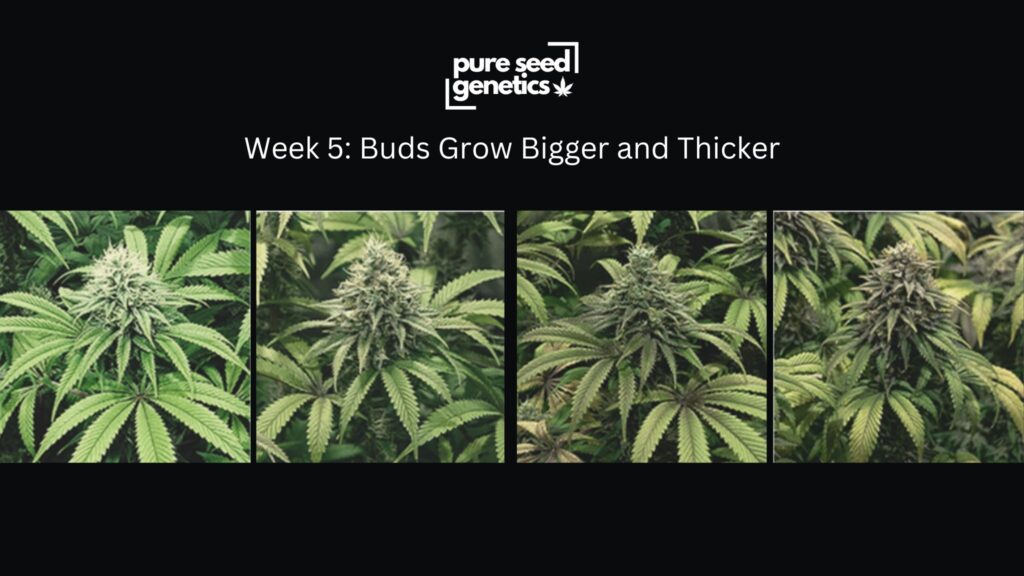
In Week 5 Buds Grow Bigger and Thicker, the cannabis plant enters a crucial period of its flowering phase, where bud development takes center stage. This is the time when the plant’s flowers undergo significant growth, and the focus shifts almost entirely to swelling and filling out the buds to prepare for harvest.
By this point, the buds will start to swell and become much thicker. They will grow larger in size as the plant puts most of its energy into developing and maturing the flowers. At this stage, the buds become more dense, and you can begin to see the real shape and structure of the final product. The increase in bud size is a clear indication that the plant is progressing toward the final stages of flowering.
The plant’s resin production continues to ramp up, and as a result, the trichomes on the buds become even more pronounced. These tiny, crystal-like structures, which contain the cannabinoids and terpenes, are now more abundant and develop more fully, making the buds look frostier. The increase in trichomes is an essential part of the maturation process, as these crystals contain the compounds that will ultimately determine the potency and flavor of the final product.
As the plant focuses on flower production, the scent of the buds will become stronger and more pungent. The production of terpenes continues to increase, leading to a richer and more intense aroma. Depending on the strain, this could range from citrusy or fruity scents to earthy, spicy, or even skunk smells. The more pungent aroma can become quite noticeable, which may be a concern if you’re growing indoors. In these cases, you may need to consider using carbon filters or other odor control methods to keep the smell from becoming overwhelming and to prevent detection, especially in more discreet or urban environments.
In summary, Week 5 is marked by significant bud growth, as the flowers swell and become larger and denser. Trichomes continue to develop, making the buds appear even frostier and increasing the plant’s potency. The scent intensifies due to heightened terpene production, and it may become necessary to use odor control methods like carbon filters for indoor grows. This stage is critical for the overall size, appearance, and potency of the buds as the plant nears the final stages of flowering.
Care Tips:
- Reduce humidity further (40-50%) to prevent bud rot.
- Support heavy branches with stakes or trellises.
- Increase air circulation to prevent mold and pests.
Week 6: Peak Resin and Terpene Production
In Week 6 Peak Resin and Terpene Production, the cannabis plant enters one of the most crucial stages of its flowering phase. This is when the plant reaches its maximum resin production, which is essential for the final potency and aroma of the buds. During this week, there are several noticeable developments that signal the plant is nearing the end of its flowering cycle.
The buds become denser, continuing the trend of swelling and thickening. At this stage, they should be much fuller and more substantial, with a noticeable increase in weight as the plant continues to pack in more resin and trichomes. These dense, resin-packed buds are the result of weeks of energy being funneled into flower development.
Resin production peaks, and the trichomes (the tiny, crystal-like structures that produce cannabinoids and terpenes) are at their most abundant and concentrated. This is when you’ll see the buds looking especially frosty due to the dense coating of trichomes, and the potency of the plant is at its highest. The increase in trichome density directly correlates to the plant’s overall potency, as the trichomes contain the active compounds like THC, CBD, and other cannabinoids.
The pistils (the white hairs on the buds) will start to darken and curl inward. This change is a key indicator that the plant is reaching the final stages of flowering. The pistils typically begin as white or pale in color, but over time, they darken and shrivel as the plant matures. As they curl inward, it signals that the flowers are fully formed and are getting closer to harvest.
One of the most critical signs of Week 6 is the transformation of the trichomes. Early in the flowering process, the trichomes are clear, and over time, they gradually transition to a cloudy or milky appearance. This cloudiness indicates that the plant’s cannabinoids are reaching their peak concentration, and the THC (if you are growing a THC-dominant strain) is now at its most potent. This is an important visual cue that harvest time is fast approaching.
In summary, Week 6 is a pivotal time in the flowering phase, marked by peak resin production and the densifying of buds. The trichomes transition from clear to cloudy, a key sign that the plant is nearing its peak potency. The pistils darken and curl inward, signaling the maturity of the flowers. All of these changes together indicate that the plant is close to being ready for harvest, and careful observation of these signs will help determine the best time to cut the plant.
Care Tips:
- Begin flushing with plain water if growing organically.
- Monitor trichomes using a microscope to determine maturity.
- Reduce nitrogen to prevent harsh flavors in the final product.
Week 7: Approaching Harvest
The buds are now thick and sticky with resin, and the pistils continue changing color. Most trichomes should be milky white with some turning amber. At this stage, the plant is in its final stretch before harvest.
In Week 7: Approaching Harvest, the cannabis plant is in its final stages of flowering, and it’s becoming increasingly evident that harvest time is near. This week marks the culmination of all the plant’s hard work over the past several weeks. The buds are now fully developed, and their growth is essentially complete. Here’s what to expect in Week 7:
Buds Are Thick and Sticky
By Week 7, the buds have become thick and dense, packed with resin that makes them sticky to the touch. The resin, which contains the cannabinoids and terpenes, is the key to the potency and aroma of the final product. As the plant has focused its energy on flower production, the buds are now fully swollen, firm, and resin-coated, giving them their characteristic sticky feel.
Pistils Continue Changing Color
The pistils (the white hairs on the buds) have already started to change color in the previous weeks, but by Week 7, this process becomes more pronounced. The pistils usually start to turn from white to orange or reddish-brown as they mature. Most of the pistils will have darkened and curled inward by this point, signaling that the flowers are nearing full maturity. The color changes and curled appearance of the pistils are one of the key indicators that the plant is coming to the end of its flowering phase.
Trichomes Transition from Milky to Amber
One of the most important signs to look for during Week 7 is the condition of the trichomes. By this stage, the majority of the trichomes will have transitioned from clear to milky white, which indicates that the plant is at its peak THC potency. However, you’ll also start to see some trichomes turning amber. The balance between milky and amber trichomes is crucial for determining the best time to harvest, as amber trichomes suggest that the cannabinoids are beginning to degrade slightly, making the effects more relaxing or sedative, depending on the strain.
- Milky white trichomes indicate maximum potency, with an energizing or euphoric high.
- Amber trichomes signal that the THC is degrading into CBN, which may create a more sedative, body-heavy effect.
For those seeking a more cerebral and energetic high, harvesting when most trichomes are still milky white is ideal. However, if you prefer a more relaxed, body-heavy effect, waiting for more amber trichomes could be the right choice.
Final Stretch Before Harvest
In Week 7, the plant is essentially in its final stretch before harvest. The buds are at their fullest, the trichomes are nearing their peak, and the pistils have almost fully matured. The plant has completed most of its flowering development, and now it’s just a matter of waiting for the perfect time to harvest. It’s important to monitor the trichomes closely during this week, as this is the best indicator of when the plant is at its ideal level of maturity.
Final Preparations
At this point, the grower should start preparing for harvest. This may include flushing the plant (if you haven’t already) to remove any excess nutrients, ensuring the environment is suitable for harvesting, and getting all the tools ready for the trimming and drying process.
In summary, Week 7 is the final phase before harvest, marked by fully mature, resin-coated buds that are thick and sticky. The pistils continue to change color, and the trichomes transition from milky white to amber, signaling that the plant is nearing its peak potency. This week is all about fine-tuning the timing of the harvest to achieve the desired effects and potency. With close observation, you can ensure that your cannabis is harvested at the perfect moment for optimal quality.
Care Tips:
- Continue flushing for a clean final product.
- Avoid overwatering to prevent bud rot.
- Limit handling to preserve trichomes.
Week 8: Harvest Time!
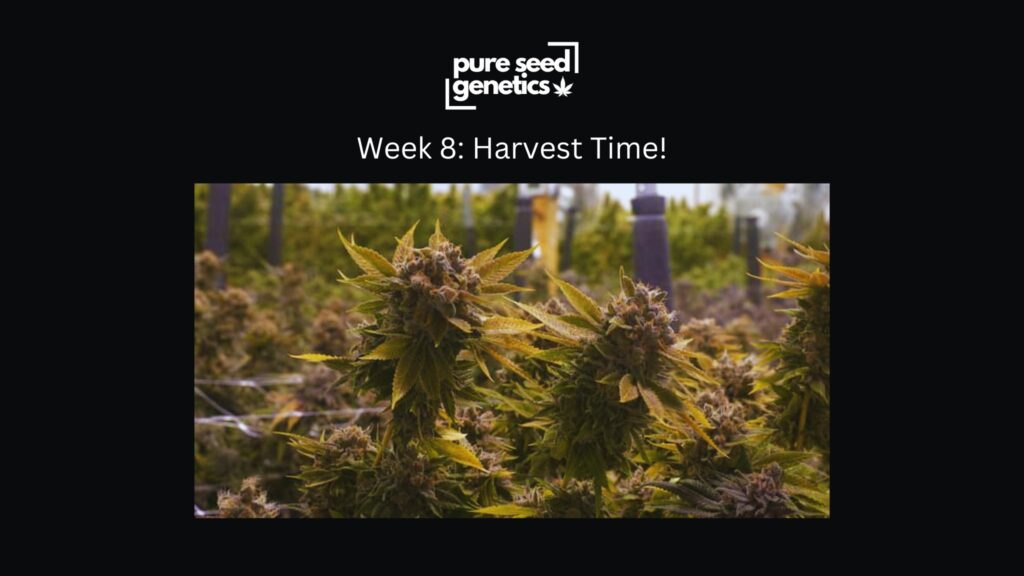
In Week 8 Harvest Time!, your cannabis plant has reached the final stage of its growth cycle and is now ready for harvest. At this point, the buds should be fully matured, dense, and packed with resin, signaling that it’s time to cut them down and begin the post-harvest process. Here’s a closer look at what to expect in Week 8:
Trichomes: Cloudy and Amber
By Week 8, the majority of the trichomes (the tiny, crystal-like structures that contain cannabinoids and terpenes) should have transitioned from clear to cloudy or milky white, and many will be turning amber. This color change in the trichomes is a critical indicator of the plant’s readiness for harvest.
- Cloudy (Milky) Trichomes: These indicate that the plant has reached its peak THC content, resulting in the most potent and energetic effects. The majority of trichomes should be cloudy for those who prefer a strong, euphoric high.
- Amber Trichomes: As trichomes turn amber, it means that the THC is beginning to degrade into CBN (cannabinol), which creates a more relaxing, sedative effect. If you prefer a more mellow or body-heavy high, you may want to wait for a larger percentage of amber trichomes.
The ideal time to harvest is when the trichomes are mostly cloudy with a few amber ones, offering a balanced effect. If you prefer a more relaxed or sedative high, you might wait until more of the trichomes are amber.
Dense, Resin-Rich Buds
By Week 8, the buds should be dense, swollen, and fully formed, with a thick coating of resin. The buds are sticky to the touch due to the trichomes, and they should have a strong, aromatic scent. The aroma will vary depending on the strain, but it will likely be much more pungent than in earlier stages, thanks to the increased terpene production.
The buds should also be heavy, indicating they’ve reached their full size and weight. Dense buds are often a sign of a healthy, successful harvest and indicate that the plant has had optimal growing conditions.
Pistils: Color Changes Complete
By Week 8, the pistils (the white hairs on the buds) should be mostly darkened, turning from white to shades of orange, red, or brown, and they will have curled inward. This is a visual indicator that the plant has completed its reproductive cycle and is ready for harvest. While pistils alone are not the best indicator of harvest readiness, their color change helps confirm that the plant has matured.
Final Check for Optimal Timing
At this stage, timing is crucial. You’ll want to monitor the trichomes closely in the days leading up to harvest. It’s best to harvest when the trichomes are mostly cloudy with some amber, as this ensures the highest quality and potency. If you wait too long, the trichomes will turn fully amber, which may result in a more sedative or couch-lock effect, which some growers may not prefer. Harvesting too early, when the trichomes are still mostly clear, can lead to a less potent product with less flavor.
Harvesting
When the plant is ready, it’s time to carefully harvest the buds. This process involves cutting the plant down, trimming off the large leaves, and preparing the buds for drying and curing. The drying process typically takes 7–14 days, depending on environmental conditions, and curing can take several weeks to months to bring out the best flavor, potency, and aroma.
In Week 8, your cannabis plant is at its peak and ready for harvest. The trichomes should be mostly cloudy or milky, with some amber trichomes appearing, signaling maximum potency. The buds are dense and sticky with resin, and the pistils are darkening and curling inward. The plant’s strong, aromatic scent is another sign that it’s ready for harvest. This is the time to carefully observe the trichomes and choose the perfect moment to harvest for your desired effect, ensuring the best possible quality of your final product.
Care Tips:
- Use sharp, clean scissors to harvest.
- Dry buds in a controlled environment with proper airflow.
- Cure properly in glass jars for improved flavor and potency.
Factors Affecting the Flowering Stage
- Light Cycles and Their Impact – A strict 12/12 light cycle is necessary for optimal flowering. Any interruptions in darkness can stress the plant and delay bud formation.
- Temperature and Humidity Control – Ideal temperatures range between 65-80°F (18-26°C). High humidity increases mold risk, while low humidity can dry out buds.
- Nutrient Requirements During Flowering – Cannabis requires more phosphorus and potassium during flowering to support bud growth. Avoid excessive nitrogen, as it can inhibit flower development.
Common Problems and How to Fix Them
- Nutrient Deficiencies and Toxicity – Yellowing leaves or burnt tips signal nutrient imbalances. Adjust feeding schedules and pH levels to correct deficiencies.
- Pest and Mold Prevention – Maintain airflow and inspect plants regularly for pests like spider mites or mold growth. Neem oil or organic pesticides can help.
- Signs of Stress and How to Address Them – Wilting, discoloration, or stunted growth indicate stress. Ensure proper watering, nutrient balance, and environmental conditions
The cannabis flowering stage is an exciting yet delicate time. By understanding each week’s developments and adjusting light, nutrients, and humidity, you can maximize your harvest. Happy growing up!
Conclusion
Understanding the cannabis flowering stage week by week is essential for a successful harvest. By monitoring bud development, trichome maturity, and overall plant health, growers can maximize their yield and potency. Following these weekly care tips ensures that your plants remain healthy and produce high-quality buds.
Frequently Asked Questions
How long does the cannabis flowering stage last?
The flowering stage typically lasts between 6-10 weeks, depending on the strain.
What are trichomes, and why are they important?
Trichomes are resin glands that produce cannabinoids and terpenes, which affect the potency and aroma of the cannabis.
When should I start flushing my plants?
Flushing should begin around two weeks before harvest to remove excess nutrients for a smoother smoke.
What’s the ideal humidity level during flowering?
Keep humidity between 50-60% in early flowering and lower it to 40-50% in late flowering.
How do I know when to harvest my cannabis plants?
Check the trichomes; when most are cloudy with some amber, it’s time to harvest.

Pure Seed Genetics
Cannabis seeds for sale with free shipping across the USA, Europe, and Canada. Our weed seeds are bred to meet customer and breeders standards of growing of all levels and tastes.
Copyright 2026 © Pure Seed Genetics
